
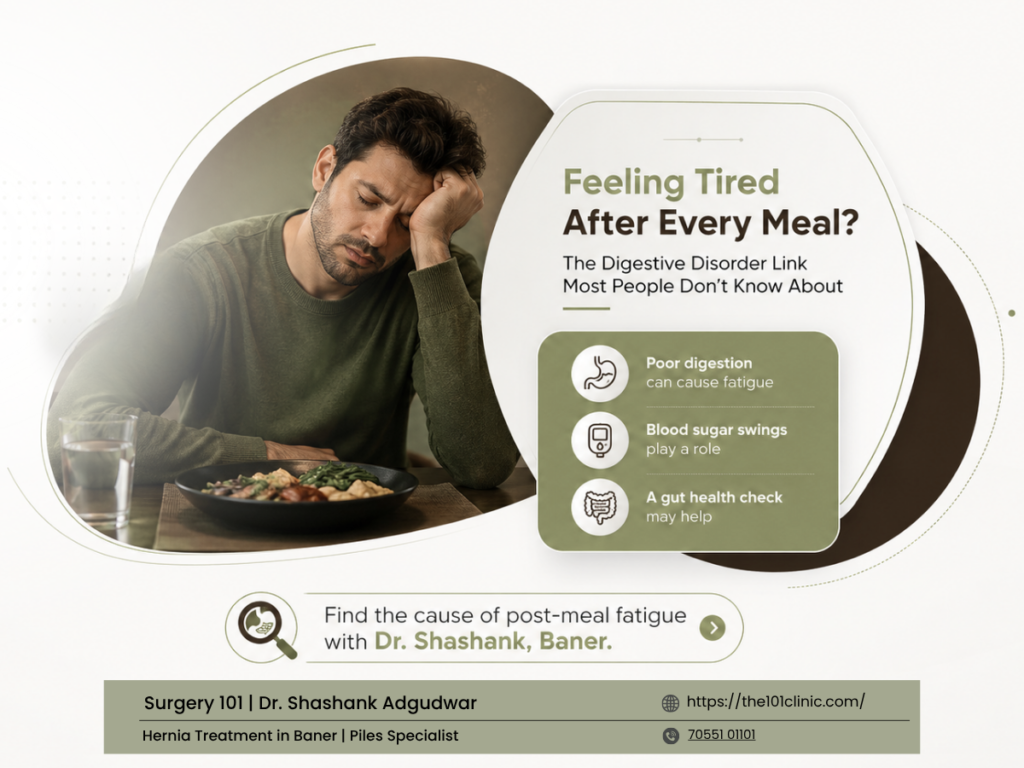
You finish lunch, and within twenty minutes your eyelids feel heavy, your focus disappears, and all you want to do is lie down. Most of us have written this off as a “food coma” and moved on with our day. But if this happens after nearly every meal, and it’s severe enough to derail your afternoon, it may be worth looking a little closer.
That drowsy, foggy, drained feeling after eating even has a medical name: postprandial somnolence. In most people it’s completely normal. In others, it’s a signal that something in the digestive system isn’t working the way it should, and it’s often the kind of pattern a gastroenterologist is best placed to untangle.
Why Do We Get Sleepy After Eating in the First Place?
Feeling a bit sleepy after a meal is genuinely common, and science has a decent explanation for it. Contrary to the popular belief that blood is redirected away from the brain to the stomach, that theory has actually been debunked by researchers, according to the Sleep Foundation.
When you eat, blood flow shifts toward the stomach and intestines, and the body releases hormones such as cholecystokinin, glucagon, and amylin, along with serotonin and melatonin, chemicals that regulate sleep, as explained by health platform Ubie’s clinical review. Your natural circadian rhythm also dips in the early afternoon, which is why the “post-lunch slump” tends to feel worse around 2 or 3 pm. Typically, this sleepiness starts anywhere from thirty minutes to two hours after eating and can last three to four hours before it passes on its own, according to the Cleveland Clinic.
So a little dip in energy after a heavy meal isn’t a red flag. The problem starts when it happens after almost everything you eat, when it’s disproportionately intense, or when it comes bundled with other symptoms like bloating, gas, or stomach pain.
When Post-Meal Fatigue Points to a Digestive Disorder
This is the part most people don’t connect. Persistent or severe tiredness after eating can sometimes point to underlying issues such as insulin resistance, food intolerances, diabetes, sleep apnea, or thyroid conditions, and several of these have a direct digestive root.
A few conditions worth knowing about:
- Food intolerances and sensitivities. Gluten, lactose, or histamine intolerance can trigger digestive distress along with fatigue, and symptoms vary widely, from bloating and headaches to skin rashes and brain fog.
- Gut inflammation and fat digestion issues. A high-fat meal triggers a hormone called cholecystokinin that helps digest fat. When most dietary fat comes from saturated sources and the gut is already inflamed, it can allow bacterial byproducts to leak into the bloodstream, triggering a chronic inflammatory response that shows up as fatigue, according to research summarized by the Kresser Institute.
- Postprandial hypotension. A drop in blood pressure after meals can cause dizziness, weakness, and fatigue, and this is more common in older adults or those on blood pressure medication.
- Blood sugar swings. Meals heavy in refined carbohydrates cause sharp insulin spikes, which can leave you crashing an hour or two later, a pattern often seen with undiagnosed insulin resistance or early diabetes.
None of these are things you should try to self-diagnose from a symptom checklist online. If fatigue after eating is a regular occurrence for you, that pattern is exactly the kind of clue a gastroenterologist is trained to piece together.
Why It’s Worth Seeing a Gastroenterologist
It’s tempting to treat after-meal tiredness as a minor inconvenience, something to fix with an extra coffee or a short nap. But because the causes range from harmless digestion patterns to conditions that genuinely need treatment, guessing on your own can delay care you actually need.
A gastroenterologist looks at digestive fatigue differently than a general check-up would. Instead of treating tiredness as an isolated complaint, a gastroenterologist will typically:
- Review your eating pattern, meal timing, and portion sizes alongside your energy levels
- Screen for food intolerances, gut inflammation, or slow gastric emptying, known as gastroparesis
- Check for related conditions like anemia, thyroid dysfunction, or blood sugar irregularities that often overlap with digestive symptoms
- Recommend targeted tests such as blood work, breath tests, or an endoscopy if warranted, rather than a one-size-fits-all elimination diet
This kind of structured evaluation is the difference between temporarily managing symptoms and actually identifying what’s driving them.
Simple Habits That Can Help in the Meantime
While you figure out whether your fatigue needs medical attention, a few adjustments can ease the day-to-day slump:
- Eat smaller, more balanced meals built around protein and fiber rather than large portions of refined carbohydrates
- Take a short walk after eating to support digestion and circulation
- Stay hydrated through the day, not just at mealtimes
- Avoid stacking meals too close together, since your digestive system needs time to process what’s already there
These habits help most people feel noticeably better. But if fatigue keeps returning meal after meal despite the changes, that’s a sign to stop self-managing and get it checked by a gastroenterologist.
When to See a Doctor
Occasional post-lunch drowsiness needs no intervention. But it’s worth booking an appointment if you notice:
- Fatigue so severe it interferes with work, driving, or daily tasks
- Bloating, cramping, or diarrhea alongside the tiredness
- Unexplained weight changes, pale skin, or shortness of breath
- Symptoms that have been going on for weeks rather than days
Dr. Shashank Adgudwar, who regularly sees patients dealing with exactly this kind of unexplained fatigue and digestive discomfort, often notes that patients wait far longer than they should before getting evaluated, usually because they assume tiredness after eating is “just how their body is.” In many cases, a proper digestive work-up uncovers a manageable, treatable cause.
How Surgery 101 Clinic Can Help
If you’ve been feeling drained after nearly every meal and lifestyle tweaks aren’t cutting it, it may be time to get an expert opinion rather than keep guessing. At Surgery 101 Clinic, Dr. Shashank Adgudwar works with patients experiencing post-meal fatigue, digestive discomfort, and unexplained tiredness, helping identify whether the root cause lies in food intolerances, gut inflammation, blood sugar patterns, or another underlying digestive condition.
As a trusted gastroenterologist in Baner, Dr. Adgudwar combines a thorough diagnostic approach with practical, personalized treatment plans, so you’re not just managing symptoms but actually addressing what’s causing them. If mealtime fatigue has become a regular part of your routine, a consultation at Surgery 101 Clinic is a straightforward first step toward getting real answers.
Frequently Asked Questions
- Is it normal to feel tired after every meal, or should I be concerned? Occasional sleepiness after a heavy meal is normal and usually passes within a few hours. However, if you feel tired after nearly every meal, or the fatigue is severe enough to affect your work or daily routine, it’s worth consulting a gastroenterologist to rule out underlying digestive or metabolic conditions.
- What digestive disorders can cause tiredness after eating? Conditions such as food intolerances (gluten, lactose, histamine), gut inflammation, gastroparesis (delayed stomach emptying), and irritable bowel syndrome are commonly linked to post-meal fatigue. A gastroenterologist can run targeted tests to identify which, if any, applies to you.
- When should I see a gastroenterologist for fatigue after eating? You should consider seeing a gastroenterologist if post-meal fatigue is persistent, comes with bloating or stomach pain, has lasted several weeks, or is accompanied by symptoms like unexplained weight changes or shortness of breath. Early evaluation makes it easier to identify and treat the underlying cause.
#DigestiveHealth #GutHealth #GastroWellness #Gastroenterologist #GastroenterologistInBaner #TiredAfterEating #HealthyGut #Surgery101Clinic #GutFeeling #WellnessJourney