
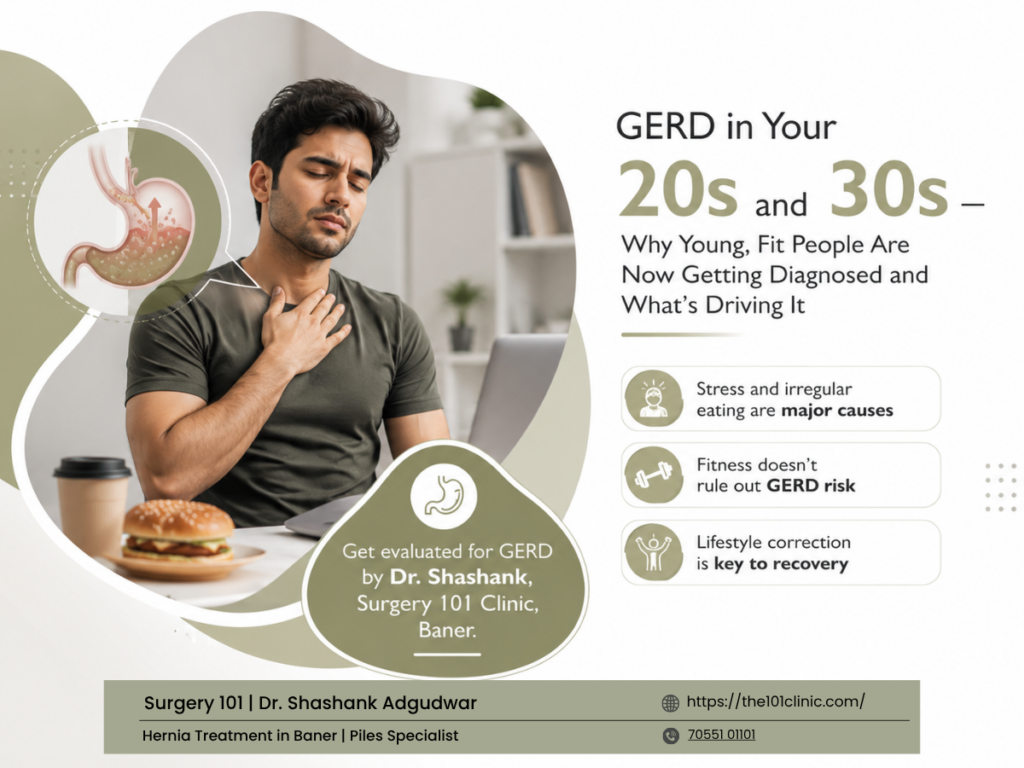
Heartburn used to be something you associated with your parents after a heavy dinner, not with someone in their mid twenties who runs five kilometres before work and eats clean most days of the week. Yet clinics everywhere are seeing exactly that: young, active, seemingly healthy people showing up with chronic acid reflux, and often being surprised when the diagnosis turns out to be GERD.
This is not a coincidence or a case of over-diagnosis. The numbers back it up, and so does the shift in how younger generations are living, eating, and working. Here is what is actually going on, and why getting proper GRD treatment early matters more than most people realize.
The Numbers Don’t Lie: GERD Is Genuinely Rising in Younger Adults
Gastroesophageal reflux disease, or GERD, happens when stomach acid regularly flows back into the esophagus, causing irritation, heartburn, and sometimes damage over time if left untreated. It has traditionally been thought of as a condition of middle age, but that picture is changing fast.
A few data points make this clear:
- A large study using the U.S. National Ambulatory Medical Care Survey found that GERD diagnoses among people aged 20 to 24 jumped from just 0.4 percent of cases in 2001 to 3.0 percent in 2012, a statistically significant and sharp increase.
- Research published in the Journal of Neurogastroenterology and Motility found that the greatest rise in GERD prevalence over the last decade occurred specifically in the 30 to 39 age group, more than any other age bracket.
- A Global Burden of Disease analysis reported that GERD incidence among people aged 10 to 24 climbed from roughly 30 million cases globally in 1990 to over 40 million in 2021, with the heaviest burden actually falling on the 20 to 24 age group.
- A separate global burden study noted particularly sharp increases in GERD prevalence within the 25 to 29 and 30 to 34 age groups, even as rates in older populations have started to plateau or decline in some regions.
This is not simply a case of more awareness leading to more diagnoses, although that plays a small role. The underlying incidence itself is climbing, and clinicians are seeing it firsthand in patients who do not fit the old GERD stereotype at all.
Why “Fit” Doesn’t Mean “Immune”
One of the more confusing aspects of this trend is that many newly diagnosed patients are not overweight, do not smoke, and consider themselves reasonably healthy. So what is actually driving their reflux?
A combination of modern lifestyle factors seems to be responsible, and most of them have little to do with visible fitness:
- Chronic stress and irregular schedules. Long work hours, late nights, and constant low-grade stress affect digestive function more than people realize. A study of young adults found GERD in over 63 percent of participants who also screened positive for anxiety, and separate research linked GERD to significantly higher rates of both anxiety and depression in this age group.
- Eating patterns, not just food choice. Skipping meals and then eating large portions late at night, a common pattern among people juggling gym schedules, long commutes, and work deadlines, puts pressure on the lower esophageal sphincter regardless of how “clean” the food itself is.
- Caffeine, carbonated drinks, and alcohol. These remain frequent triggers and have become more embedded in daily routines, from pre-workout drinks to social drinking culture.
- Core-focused exercise without proper form. Certain high-intensity workouts, particularly ones involving heavy lifting or intense core compression right after eating, can increase intra-abdominal pressure and push stomach contents upward.
- Vaping and e-cigarette use. A study among university students found a notable prevalence of GERD symptoms linked specifically to e-cigarette smoking, a habit far more common among younger adults than traditional smoking.
Put together, these factors explain why someone can look outwardly fit and still develop a condition long associated with age and poor health. GERD, at its core, is about esophageal and digestive mechanics under strain, not body weight alone.
When It’s More Than “Just Acidity”
Most young adults brush off early reflux symptoms as regular acidity and reach for an antacid instead of a proper evaluation. That works occasionally, but chronic or recurring symptoms are a different matter entirely.
It is worth paying closer attention if you regularly notice:
- Heartburn or a burning sensation more than twice a week
- A sour or bitter taste at the back of your throat, especially after lying down
- Chronic cough, hoarseness, or a feeling of a lump in the throat unrelated to a cold
- Chest discomfort after meals that is sometimes mistaken for something more serious
- Symptoms that disrupt sleep or persist despite avoiding obvious trigger foods
Left unmanaged, GERD can lead to esophageal inflammation and, over the long term, more serious complications. This is precisely why timely GRD treatment, rather than years of self-managed antacids, makes a real difference in outcomes.
Getting the Right GRD Treatment Instead of Guessing
The good news is that GERD in younger adults tends to respond well to treatment once it is properly diagnosed, especially when it is caught early rather than after years of low-grade symptoms. Effective GRD treatment usually involves a combination of lifestyle adjustments, dietary changes, and, when necessary, medication to reduce acid production and protect the esophagus. What it should not involve is months of guesswork with over-the-counter remedies while the underlying cause goes unaddressed.
A proper evaluation typically looks at eating patterns, stress levels, sleep habits, and specific trigger foods, rather than treating every case the same way. This individualized approach tends to produce far better long-term results than a generic “cut out spicy food” recommendation.
Read More:
- Why Your Acidity Tablets Have Stopped Working and What a Gastroenterologist Does Differently
- Understanding Acid Reflux and How It Affects Your Stomach Health
- Acid Reflux vs GERD: How to Know When Your Acidity Is Serious
How Surgery 101 Clinic Can Help
At Surgery 101 Clinic, Dr. Shashank Adgudwar works with patients to understand what is actually triggering their reflux before recommending a treatment path, rather than offering a blanket solution. Since GERD in younger patients is so often tied to stress, irregular routines, and specific lifestyle habits, the approach here focuses on identifying those individual triggers alongside any necessary medical management, including advanced diagnostic tools such as endoscopy and oesophageal manometry when a deeper evaluation is needed.
If you are dealing with recurring heartburn, throat irritation, or discomfort after meals and have been searching for reliable GERD treatment in Baner, Surgery 101 Clinic offers a thorough, personalised evaluation rather than a one-size-fits-all fix. Getting an accurate diagnosis early is the single biggest factor in preventing GERD from becoming a long-term problem.
If reflux has become a regular part of your week rather than an occasional inconvenience, it is worth getting checked. Book a consultation with Dr. Shashank Adgudwar at Surgery 101 Clinic and get a clear, personalised plan instead of relying on antacids indefinitely.
Frequently Asked Questions
- Why are so many young, healthy people being diagnosed with GERD now? Rising GERD rates among people in their 20s and 30s are linked to chronic stress, irregular eating patterns, late-night meals, caffeine and alcohol intake, vaping, and certain intense workout habits, not just body weight. Studies tracking this age group have recorded a sharp rise in diagnoses over the past two decades, showing this is a genuine medical trend rather than over-diagnosis.
- Can GERD in your 20s or 30s go away on its own? Occasional acid reflux can settle with minor dietary and lifestyle changes, but true GERD, where symptoms occur regularly, tends to persist or worsen without proper management. Getting an accurate diagnosis and starting appropriate GRD treatment early generally leads to much better long-term control than waiting it out.
- Is GERD only about diet, or can stress and exercise cause it too? Diet plays a role, but stress, anxiety, irregular sleep, and certain high-intensity exercises that increase abdominal pressure are equally significant contributors, especially in younger adults. This is why effective GRD treatment usually looks beyond food triggers alone and considers lifestyle and stress factors as well.
#GERDAwareness #AcidRefluxRelief #GutHealth #DigestiveHealth #HealthyLifestyle #WellnessJourney #Surgery101Clinic #BanerClinic #GERDTreatment #HealthTips2026