
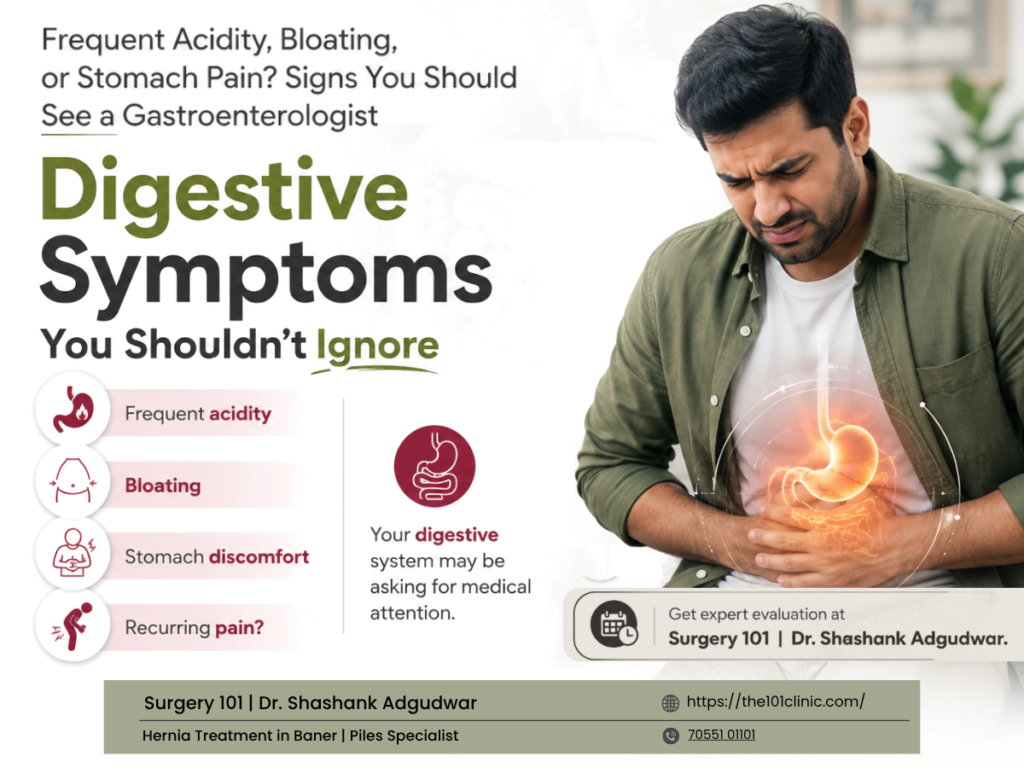
Digestive discomfort is something most people experience occasionally. A heavy meal, stress, irregular eating habits, or certain foods can trigger symptoms like acidity, bloating, or stomach pain. While these issues are often temporary, persistent digestive problems should never be ignored. They may indicate an underlying gastrointestinal condition that requires medical attention.
If you find yourself frequently reaching for antacids or dealing with recurring stomach discomfort, it may be time to consult a gastroenterologist. Early diagnosis and treatment can prevent complications and improve your quality of life.
For patients experiencing ongoing digestive symptoms, procedures such as Endoscopy in Baner can help identify the root cause of the problem and guide appropriate treatment.
Understanding Common Digestive Symptoms
The digestive system plays a vital role in absorbing nutrients and removing waste from the body. When it is not functioning properly, symptoms can range from mild discomfort to severe pain.
Some of the most common digestive complaints include:
- Frequent acidity or heartburn
- Bloating and excessive gas
- Stomach pain or abdominal cramps
- Nausea or vomiting
- Indigestion after meals
- Changes in bowel habits
- Difficulty swallowing
While occasional symptoms may not be concerning, persistent or worsening issues often require evaluation by a gastroenterologist.
According to the American College of Gastroenterology, approximately 20% of adults in Western countries experience symptoms of gastroesophageal reflux disease (GERD) at least once a week. Source: https://gi.org/topics/acid-reflux/
Signs You Should See a Gastroenterologist
1. Frequent Acidity or Heartburn
Experiencing heartburn occasionally after a spicy meal is common. However, if acidity occurs several times a week, it may indicate GERD.
Symptoms can include:
- Burning sensation in the chest
- Sour taste in the mouth
- Regurgitation of food or liquid
- Persistent throat irritation
Untreated GERD can lead to complications such as esophageal inflammation and narrowing. A gastroenterologist can recommend lifestyle modifications, medications, and diagnostic tests if necessary.
2. Persistent Bloating
Bloating is often dismissed as a minor inconvenience. However, chronic bloating may be associated with:
- Irritable bowel syndrome (IBS)
- Food intolerances
- Small intestinal bacterial overgrowth (SIBO)
- Celiac disease
- Digestive enzyme deficiencies
If bloating occurs regularly despite dietary changes, professional evaluation is recommended.
Research published by the National Institute of Diabetes and Digestive and Kidney Diseases (NIDDK) notes that functional gastrointestinal disorders frequently contribute to chronic bloating and abdominal discomfort. Source: https://www.niddk.nih.gov
3. Recurring Stomach Pain
Not all abdominal pain is caused by indigestion. Recurrent stomach pain may be linked to conditions such as gastritis, ulcers, gallstones, inflammatory bowel disease, or infections.
Consult a gastroenterologist if:
- Pain persists for more than a few days
- Symptoms interfere with daily activities
- Pain keeps returning
- Over-the-counter medications provide little relief
Accurate diagnosis is important because different gastrointestinal conditions often produce similar symptoms.
4. Changes in Bowel Habits
A noticeable change in bowel patterns should not be ignored, especially if it lasts for several weeks.
Watch for:
- Chronic constipation
- Frequent diarrhea
- Alternating constipation and diarrhea
- Narrow stools
- Urgent bowel movements
Persistent changes may indicate digestive disorders that require medical investigation.
5. Blood in the Stool
Blood in the stool is never considered normal. It can result from hemorrhoids, anal fissures, inflammatory bowel disease, or more serious gastrointestinal conditions.
Seek medical attention promptly if you notice:
- Bright red blood
- Black or tarry stools
- Unexplained rectal bleeding
Early evaluation helps identify the cause and ensures appropriate treatment.
6. Unexplained Weight Loss
Losing weight without changing your diet or exercise routine may signal an underlying digestive disorder.
Potential causes include:
- Malabsorption disorders
- Celiac disease
- Chronic infections
- Gastrointestinal cancers
- Inflammatory bowel disease
According to the National Health Service (NHS), unexplained weight loss should always be assessed by a healthcare professional. Source: https://www.nhs.uk
7. Difficulty Swallowing
If food frequently feels stuck while swallowing or causes discomfort, it could indicate a problem involving the esophagus.
Conditions that may contribute include:
- Acid reflux-related narrowing
- Esophageal inflammation
- Motility disorders
- Structural abnormalities
A gastroenterologist can determine the cause through specialized diagnostic testing.
When Diagnostic Tests May Be Needed
To identify the source of digestive symptoms, a gastroenterologist may recommend certain investigations.
Common diagnostic procedures include:
- Upper gastrointestinal endoscopy
- Colonoscopy
- Ultrasound imaging
- Blood tests
- Stool analysis
These tests help detect conditions such as ulcers, inflammation, polyps, infections, and digestive tract abnormalities.
The American Society for Gastrointestinal Endoscopy states that endoscopy is one of the most effective tools for diagnosing a wide range of gastrointestinal disorders. Source: https://www.asge.org
Why Early Consultation Matters
Many people delay seeking medical advice, hoping symptoms will disappear on their own. Unfortunately, some gastrointestinal conditions progress silently over time.
Early consultation with a gastroenterologist can help:
- Identify the underlying cause sooner
- Prevent disease progression
- Improve treatment outcomes
- Reduce long-term complications
- Enhance overall digestive health
The sooner a condition is diagnosed, the more treatment options are typically available.
Take Digestive Symptoms Seriously
Frequent acidity, bloating, and stomach pain are not always harmless. While occasional digestive discomfort is common, persistent symptoms should be evaluated by a qualified gastroenterologist. Paying attention to warning signs and seeking timely medical care can protect your digestive health and prevent future complications.
Expert Gastrointestinal Care at Surgery 101 Clinic
If you are experiencing ongoing digestive symptoms, Surgery 101 Clinic offers expert evaluation and treatment for a wide range of gastrointestinal conditions. Under the guidance of Dr. Shashank Adgudwar, patients receive comprehensive digestive health care, accurate diagnosis, and personalized treatment plans tailored to their needs.
Whether you are dealing with chronic acidity, persistent bloating, stomach pain, or require specialized diagnostic procedures, consulting a trusted gastroenterologist in Baner can help you find lasting relief and improve your quality of life.
#Gastroenterologist #DigestiveHealth #AcidityRelief #BloatingProblems #StomachPain #GERDAwareness #GutHealth #Healthcare #GastroenterologistInBaner #Surgery101Clinic