
Digestive problems such as persistent acidity, stomach pain, bloating, difficulty swallowing, or unexplained nausea can sometimes indicate underlying gastrointestinal conditions that require proper evaluation. One of the most effective ways to diagnose these problems is through endoscopy.
Although many people feel anxious when they hear the word “endoscopy,” the procedure is generally safe, minimally invasive, and commonly performed for diagnosing digestive disorders. If your doctor has recommended an endoscopy in Baner, understanding what actually happens before, during, and after the procedure can help reduce anxiety and prepare you better.
According to Dr. Shashank Adgudwar, experienced gastrointestinal and laparoscopic surgeon at Surgery 101 Clinic, endoscopy plays a major role in identifying digestive conditions early, allowing faster and more effective treatment. Patients searching for a gastroenterologist in Baner are often advised to undergo endoscopy when symptoms persist despite medication or lifestyle changes.
What Is an Endoscopy?
An endoscopy is a medical procedure used to examine the digestive tract using a thin, flexible tube called an endoscope. The tube contains a tiny camera and light, allowing doctors to view the inside of the esophagus, stomach, and upper part of the small intestine.
Upper gastrointestinal endoscopy is commonly used to diagnose conditions such as:
- Acid reflux or GERD
- Gastric ulcers
- Gastritis
- Difficulty swallowing
- Persistent abdominal pain
- Bleeding in the digestive tract
- Polyps or abnormal growths
According to the American Society for Gastrointestinal Endoscopy, millions of endoscopic procedures are performed every year worldwide because of their effectiveness in diagnosing gastrointestinal diseases accurately and safely.
Why Your Doctor May Recommend Endoscopy in Baner
Endoscopy is usually recommended when digestive symptoms continue for an extended period or when basic treatments fail to improve the condition.
Your doctor may advise Endoscopy in Baner if you experience:
- Frequent acidity or heartburn
- Persistent stomach pain
- Vomiting or nausea
- Difficulty swallowing food
- Blood in vomit or stool
- Unexplained weight loss
- Chronic bloating
- Persistent indigestion
Endoscopy can also help doctors collect tissue samples for biopsy if needed. This allows early detection of infections, ulcers, inflammation, or even cancerous changes.
The National Institute of Diabetes and Digestive and Kidney Diseases states that upper endoscopy is considered one of the most reliable methods for diagnosing upper digestive tract disorders.
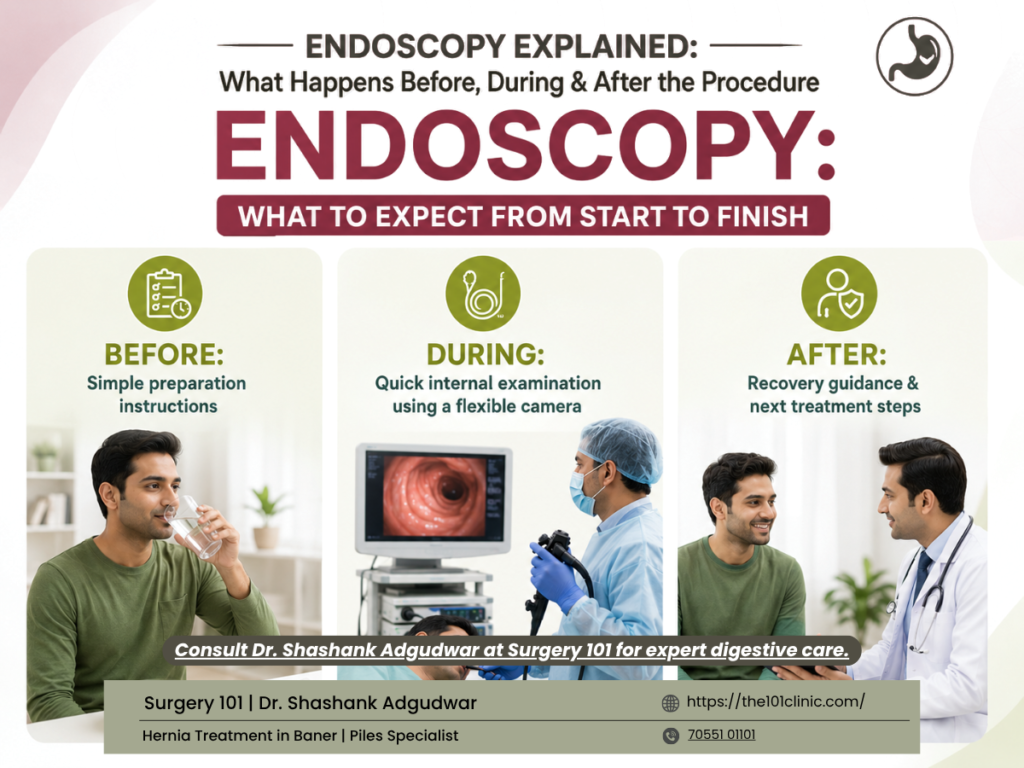
What Happens Before an Endoscopy?
Preparation is an important part of ensuring accurate and safe results during the procedure. Your doctor will provide detailed instructions depending on your medical history and symptoms.
Fasting Before the Procedure
Patients are usually asked not to eat or drink anything for around 6 to 8 hours before the procedure. An empty stomach allows the doctor to get a clear view of the digestive tract.
Reviewing Medications
Certain medications such as blood thinners, diabetes medicines, or supplements may need temporary adjustment before the procedure. Always inform your doctor about your medical history and current medications.
Discussing Allergies and Health Conditions
If you have allergies, heart disease, breathing problems, or previous surgical history, your doctor will review these details to ensure safe sedation and monitoring.
Managing Anxiety
Many patients feel nervous before undergoing Endoscopy in Baner, but the procedure is usually quick and comfortable. Mild sedation is often given to help patients relax.
According to the Mayo Clinic, upper endoscopy typically takes only 15 to 30 minutes and most patients recover quickly afterward.
What Happens During the Endoscopy Procedure?
The procedure itself is generally simple and painless. Patients are monitored carefully throughout the process.
Sedation and Monitoring
Before starting, the medical team may spray a numbing medicine in the throat and administer mild sedation through a vein. This helps reduce discomfort and gag reflex.
Your heart rate, oxygen level, and blood pressure are continuously monitored during the procedure.
Inserting the Endoscope
The doctor gently inserts the flexible endoscope through the mouth and guides it into the esophagus, stomach, and upper digestive tract.
Because the endoscope is thin and flexible, patients usually do not experience pain. Some may feel mild pressure or fullness.
Examination and Diagnosis
The camera attached to the endoscope sends images to a monitor, allowing the doctor to carefully examine the digestive tract for inflammation, ulcers, bleeding, or abnormal growths.
If needed, small tissue samples may be collected for laboratory testing. This process is painless.
Completion of the Procedure
Once the examination is complete, the endoscope is carefully removed. Most procedures are completed within a short time.
What Happens After an Endoscopy?
Recovery after endoscopy is usually smooth, especially when performed by experienced specialists.
Recovery Observation
Patients are monitored for a short period until the effects of sedation wear off. Mild throat irritation or bloating may occur temporarily.
Returning Home
Since sedation may affect alertness, patients are usually advised not to drive immediately after the procedure and should arrange transportation home.
Resuming Diet
Doctors generally recommend starting with light meals and fluids after the procedure unless otherwise instructed.
Receiving Results
Some findings may be discussed immediately after the procedure, while biopsy reports may take a few days.
Most patients return to their normal routine within 24 hours.
Is Endoscopy Safe?
Endoscopy is considered a very safe procedure when performed by trained specialists. Complications are rare, especially in modern medical setups with proper monitoring.
The Cleveland Clinic notes that serious complications such as bleeding or infection occur in only a small percentage of cases.
Early diagnosis through endoscopy can help prevent more serious digestive complications later.
Common Myths About Endoscopy
Many people avoid undergoing endoscopy because of fear or misinformation. Understanding the facts can help reduce unnecessary anxiety.
Myth 1: Endoscopy Is Painful
Most patients experience little to no pain because sedation and numbing medications are used.
Myth 2: It Requires Hospital Admission
In most cases, endoscopy is performed as a day care procedure, allowing patients to return home the same day.
Myth 3: Only Serious Diseases Need Endoscopy
Endoscopy is also used to diagnose common digestive conditions like acidity, gastritis, and ulcers before they become severe.
When Should You Consult a Specialist?
Ignoring digestive symptoms for too long can delay diagnosis and treatment. Persistent acidity, swallowing difficulty, abdominal pain, or unexplained digestive problems should not be ignored.
Consulting an experienced specialist for endoscopy in Baner can help identify the exact cause of symptoms and guide proper treatment early.
Read More –
Advanced Endoscopy Care at Surgery 101 Clinic
If you are experiencing ongoing digestive symptoms or have been advised to undergo an endoscopy in Baner, professional care can make the process smooth, safe, and stress-free. Surgery 101 Clinic provides advanced gastrointestinal evaluation and endoscopy services under the expert care of Dr. Shashank Adgudwar.
From diagnosis of acidity and ulcers to comprehensive digestive care, Surgery 101 Clinic focuses on accurate evaluation, patient comfort, and advanced treatment solutions. If you are searching for trusted endoscopy in Baner, the clinic offers modern facilities and expert guidance tailored to your digestive health needs.
#EndoscopyInBaner #DigestiveHealth #GastroCare #AcidityTreatment #EndoscopyProcedure #StomachHealth #DrShashankAdgudwar #Surgery101Clinic