
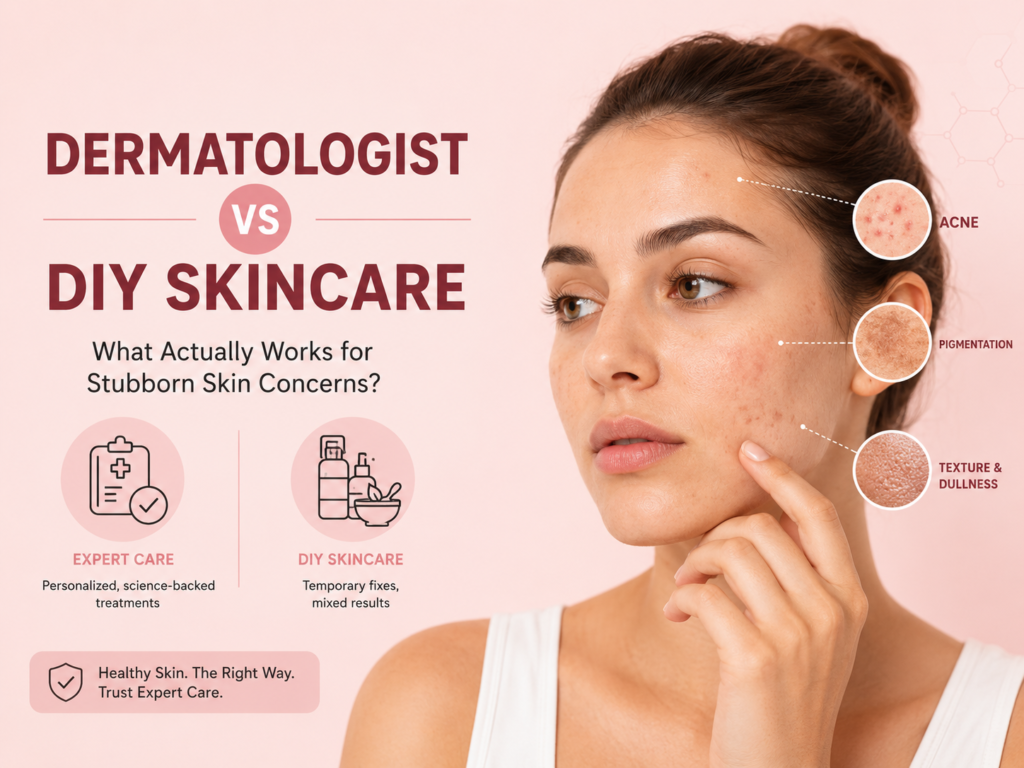
Skincare advice is everywhere today. Social media influencers, viral home remedies, and trending beauty hacks often promise quick fixes for acne, pigmentation, dullness, and aging skin. While some DIY skincare methods may offer temporary results, not every skin concern can be solved with ingredients sitting in your kitchen cabinet.
Persistent acne, stubborn pigmentation, hair fall, acne scars, and sensitive skin usually require proper diagnosis and scientifically backed treatment. This is where consulting a dermatologist becomes important. Many people spend months experimenting with online skincare trends before finally seeking professional help from a skin specialist in Baner for long term and safe results.
According to Dr. Tanvi Adgudwar, experienced dermatologist at Skin 101 Clinic, understanding your skin type and the root cause of the issue is essential before starting any treatment. What works for one person may worsen another person’s skin condition. This is why personalized skincare guidance matters more than viral internet trends.
Why DIY Skincare Has Become So Popular
DIY skincare has gained popularity because it appears affordable, convenient, and natural. Ingredients like turmeric, lemon, honey, aloe vera, and coffee are commonly used in homemade face masks and scrubs.
Social media platforms have also made skincare trends spread rapidly. Many people are influenced by before and after videos without understanding whether those treatments are scientifically safe.
Some DIY skincare methods may provide short term benefits such as temporary hydration or mild exfoliation. However, DIY skincare has limitations, especially when dealing with chronic or medically related skin conditions.
According to the American Academy of Dermatology Association, improper use of home remedies can irritate the skin barrier, worsen acne, and even cause allergic reactions or burns.
Common Skin Concerns That DIY Remedies Often Fail to Treat
Not every skin issue responds to homemade remedies. In fact, some stubborn conditions continue to worsen without professional care.
Acne and Acne Scars
Acne is one of the most common reasons people visit a dermatologist. While home remedies may temporarily dry out pimples, they usually do not treat the root causes such as hormonal imbalance, bacteria, excess oil production, or inflammation.
Using harsh DIY ingredients like lemon juice or baking soda can damage the skin barrier and increase irritation.
The Mayo Clinic states that untreated acne may lead to permanent scarring and emotional stress if not managed properly.
Pigmentation and Uneven Skin Tone
Hyperpigmentation, melasma, and post acne marks often require targeted treatments. DIY masks rarely penetrate deep enough to address excess melanin production effectively.
Professional dermatologist treatments such as chemical peels, laser therapy, and prescription creams are usually more effective for long term improvement.
Hair Fall and Scalp Issues
Hair fall is commonly linked to factors such as stress, hormonal imbalance, nutritional deficiencies, thyroid disorders, or genetics. Applying random oils or internet remedies without diagnosis may delay proper treatment.
A dermatologist can evaluate the exact cause and recommend treatments tailored to the patient’s condition.
Sensitive Skin and Allergic Reactions
People with sensitive skin are more likely to react negatively to untested DIY ingredients. Essential oils, lemon, toothpaste, and strong exfoliants are common causes of irritation.
According to the National Eczema Association, damaged skin barriers increase the risk of dryness, redness, and inflammation.
When DIY Skincare Can Be Helpful
DIY skincare is not always harmful. Some simple practices can support healthy skin when done carefully and in moderation.
Helpful skincare habits include:
- Staying hydrated
- Using sunscreen daily
- Following a gentle cleansing routine
- Eating a balanced diet
- Getting enough sleep
- Avoiding harsh scrubbing
Natural ingredients like aloe vera or oatmeal may soothe mild irritation for some individuals. However, these should not replace medical treatment for persistent skin concerns.
The key difference is understanding when a skincare issue is cosmetic and when it requires professional medical attention.
What a Dermatologist Actually Does Differently
A qualified Dermatologist does much more than recommend creams or facials. Professional skin care focuses on evidence based diagnosis and treatment.
Here are some ways a Dermatologist approach differs from DIY skincare:
- Accurate Skin Diagnosis
A Dermatologist identifies the underlying cause of the skin issue rather than only treating visible symptoms. - Customized Treatment Plans
Professional treatments are tailored according to skin type, age, medical history, and severity of the condition. - Medical Grade Treatments
Procedures such as chemical peels, PRP therapy, laser treatment, acne scar management, and prescription medications provide more reliable results than home remedies. - Prevention of Skin Damage
Improper DIY treatments can sometimes worsen pigmentation, acne, or sensitivity. A Dermatologist helps prevent long term skin damage through safe treatment protocols. - Monitoring Progress Safely
Professional follow ups help track improvement and adjust treatments if needed.
Signs You Should Consult a Dermatologist Instead of Relying on DIY Remedies
Many people wait too long before seeking professional care. Early treatment often leads to faster and better results.
You should consult a Dermatologist if you experience:
- Acne lasting more than a few months
- Severe pigmentation or dark spots
- Persistent hair fall
- Painful cystic acne
- Skin irritation from skincare products
- Recurrent rashes or itching
- Sudden skin changes
- Acne scars affecting confidence
According to the Cleveland Clinic, professional treatment can significantly improve chronic skin conditions while reducing the risk of complications and permanent skin damage.
The Truth About Viral Skincare Trends
Many viral skincare trends lack scientific testing. Social media content is often designed for engagement rather than safety. Trends involving toothpaste for acne, lemon juice for pigmentation, or over exfoliation can damage the skin barrier and trigger inflammation.
Skincare should not be based solely on trends. Every skin type reacts differently, and treatments should be chosen carefully under professional guidance.
A Dermatologist understands how different ingredients interact with the skin and can recommend treatments supported by clinical evidence.
Healthy Skin Requires Consistency and Professional Guidance
Good skin health is usually the result of consistent care, balanced lifestyle habits, and appropriate treatment when needed. There is no universal miracle remedy that works for every skin concern.
While basic home skincare can support healthy skin, stubborn conditions often require expert medical evaluation. Choosing professional care early can save time, money, and frustration caused by ineffective DIY experiments.
Read More –
- https://the101clinic.com/trending-skincare-hacks-can-harm-your-skin-expert-advice-by-dr-tanvi-adgudwar/
- https://the101clinic.com/mole-removal-treatment-in-baner-safe-quick-scar-minimal-solutions-for-clear-skin/
- https://the101clinic.com/papaya-for-glowing-skin-dr-tanvi-komawar-adgudwar-reveals-how-this-natural-superfruit-supports-clear-and-radiant-skin/
Get Expert Skin Care at Skin 101 Clinic
If you are struggling with acne, pigmentation, hair fall, sensitive skin, or recurring skin concerns, professional guidance can help you achieve safer and more effective results. Skin 101 Clinic offers advanced dermatology treatments under the expert care of Dr. Tanvi Adgudwar.
From acne treatment and chemical peels to PRP therapy and laser procedures, Skin 101 Clinic provides personalized skincare solutions designed for long-term skin health. If you are searching for a trusted dermatologist in Baner, Skin 101 Clinic can help you understand your skin better and choose treatments that truly work.
#Dermatologist #DermatologistInBaner #SkinCareTreatment #AcneTreatment #HealthySkin #SkinSpecialist #PigmentationTreatment #HairFallTreatment #Skin101Clinic