
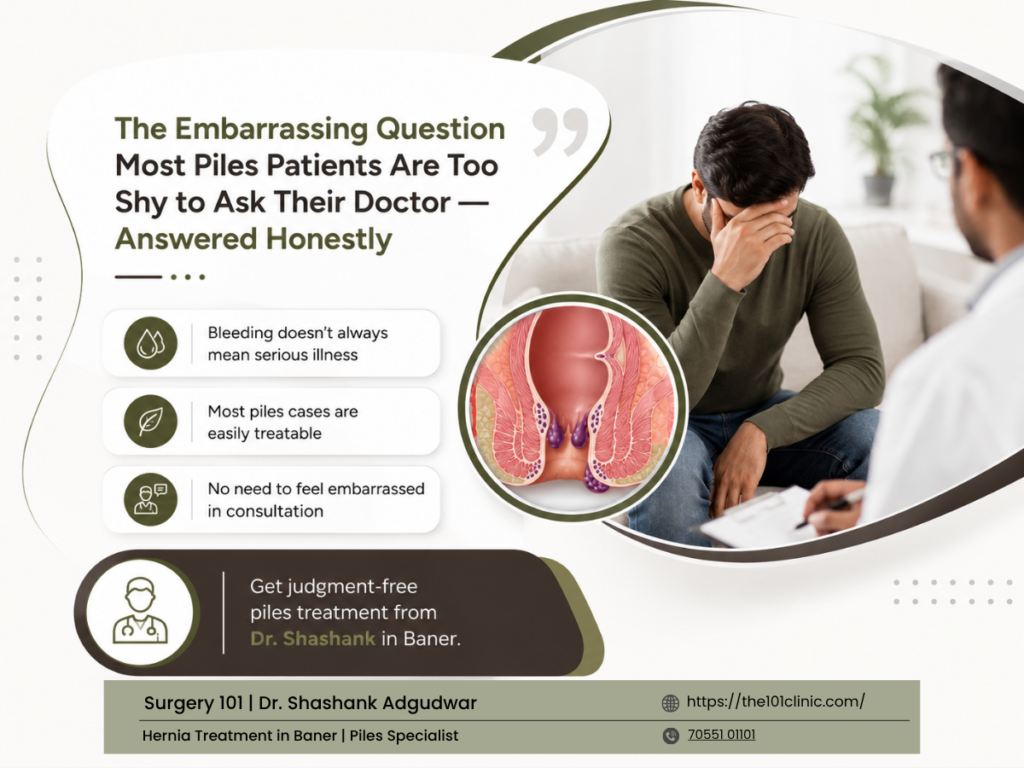
Piles, medically known as hemorrhoids, are one of those conditions everyone has an opinion about but almost nobody wants to discuss out loud. You will talk about your knee pain at a dinner party, your acid reflux with a colleague, even your allergies with a stranger on a train. But piles? That stays locked away, even from the very doctor who is supposed to help you.
And that silence has a cost. Research published in the International Surgery Journal found that hemorrhoids are among the most common ailments affecting adults worldwide, yet a large share of sufferers delay treatment simply out of embarrassment. A cross-sectional study from Saudi Arabia published in Cureus reported that two-thirds of people who never sought medical advice for their symptoms said embarrassment was the main reason. This pattern is not unique to one country. It plays out in clinics everywhere, including here in India, where studies estimate the condition affects somewhere between 11 percent and nearly 75 percent of hospital outpatients depending on the region and setting.
So let us finally say the question out loud, because if you are thinking it, thousands of others are too.
“Will My Piles Ever Come Back After Treatment, and Does That Mean I Did Something Wrong?”
This is, hands down, the question most patients whisper at the end of a consultation, almost as an afterthought, right before walking out the door. There is a quiet fear behind it. Patients worry that a recurrence means they failed at something, whether it was their diet, their hygiene, or their willpower to change habits.
Here is the honest answer. Piles can return, and it has very little to do with personal failure.
- Hemorrhoids develop because of pressure on the veins in the rectal and anal area. This pressure can come from straining during bowel movements, prolonged sitting, pregnancy, obesity, or chronic constipation.
- Even after a successful procedure, if the underlying pressure factors are not managed, new hemorrhoidal cushions can swell again over time.
- A recurrence is a medical reality of the condition, not evidence that a treatment failed or that a patient did not follow instructions properly.
According to clinical literature on anorectal disease, hemorrhoids affect close to half of people over the age of 50 at some point in their life, which tells you how common and recurring this condition can genuinely be. It is not a personal shortcoming. It is simply how the anatomy behaves under sustained strain.
Why Patients Stay Silent, and Why That Silence Is Risky
Embarrassment is understandable, but it often leads to real, avoidable harm. When patients delay seeing a piles specialist, minor grade one or two hemorrhoids can progress into more advanced, harder to treat stages.
- Delayed care often means patients only present once bleeding, prolapse, or severe pain has already set in, at which point non-surgical options may no longer be enough.
- Self-medicating with over-the-counter creams or unverified home remedies can mask symptoms while the underlying issue keeps progressing.
- Anal fissures, infections, or anemia from chronic blood loss can develop when piles are left unmanaged for too long.
A doctor who specializes in this field has heard every version of this conversation before. Nothing about your body will surprise them. Their job is to solve the problem, not to judge the person sitting across the table.
Questions You Should Actually Be Asking Your Piles Specialist
Instead of avoiding the topic altogether, patients are better served by walking into their appointment prepared. A good piles specialist will welcome these questions and will not think less of you for asking any of them.
- What grade or stage are my hemorrhoids at right now?
- Do I need surgery, or can this be managed with lifestyle changes and non-surgical procedures like banding or sclerotherapy?
- How soon can I return to work or normal activity after treatment?
- What dietary changes will actually reduce my risk of recurrence?
- Are my symptoms linked to anything more serious that needs to be ruled out?
Bringing a written list, even on your phone, can help you get through the appointment without freezing up mid sentence, which is completely normal for a first-time conversation about this topic.
The Bigger Picture: Piles Are Common, Treatable, and Nothing to Be Ashamed Of
Every honest piles specialist will tell you the same thing. This is one of the most frequently treated conditions in general surgery and gastroenterology practices. The discomfort of the disease is real, but the discomfort of talking about it is entirely manufactured by stigma, not by medicine.
Modern treatment options range from simple dietary and lifestyle adjustments for early grades, to minimally invasive procedures such as rubber band ligation, sclerotherapy, and infrared coagulation, all the way to advanced surgical techniques like stapled hemorrhoidopexy or laser hemorrhoidoplasty for more advanced cases. The right approach depends entirely on your specific grade and symptoms, which is exactly why a proper consultation matters more than guesswork or embarrassment-driven avoidance.
Read More –
- Why Piles Symptoms Fluctuate and Suddenly Get Worse
- Summer Diet Tips to Prevent Piles | Expert Guide by Dr. Shashank Adgudwar, Baner
- Piles in Male versus Piles in Female
How Dr. Shashank Adgudwar and Sugery 101 Clinic Can Help
If you have been putting off that conversation, Dr. Shashank Adgudwar at Sugery 101 Clinic makes it easier to finally have it. As an experienced piles specialist in Baner, Dr. Adgudwar and his team focus on discreet, judgment-free consultations paired with modern, minimally invasive treatment options tailored to each patient’s specific stage of disease.
Whether you are dealing with early symptoms or a more advanced case that needs a proper surgical opinion, Sugery 101 Clinic offers a private, comfortable environment where your questions, however embarrassing they may feel, are treated as completely normal parts of the conversation. If you are searching for a piles specialist in Baner who will actually listen before recommending a treatment plan, this is the place to start that conversation you have been avoiding.
Frequently Asked Questions
- Is it normal to feel embarrassed talking to a doctor about piles? Yes, it is extremely common. Studies on anorectal disease consistently show embarrassment as the leading reason patients delay seeking care. A qualified piles specialist is trained to handle these conversations with discretion and without judgment, so there is no need to let shyness delay treatment.
- Can piles go away on their own without treatment? Mild, grade one hemorrhoids can sometimes improve with dietary changes, increased fiber intake, and better bowel habits. However, moderate to advanced cases usually need medical intervention such as banding, sclerotherapy, or surgery, so it is best to get an accurate diagnosis rather than waiting it out.
- What is the best age to consult a piles specialist for the first time? There is no fixed age. Anyone experiencing symptoms like bleeding, itching, pain, or a lump near the anus should consult a specialist promptly, since research shows the condition can affect adults as young as their twenties and becomes increasingly common after age fifty.
If you have been holding onto a question you are too shy to ask out loud, consider this your sign to finally book that appointment. The right specialist will make it feel far less awkward than you expect.
#PilesAwareness #HemorrhoidsTreatment #PilesSpecialist #ColorectalHealth #GutHealthMatters #BanerClinic #HealthWithoutStigma #Sugery101Clinic