
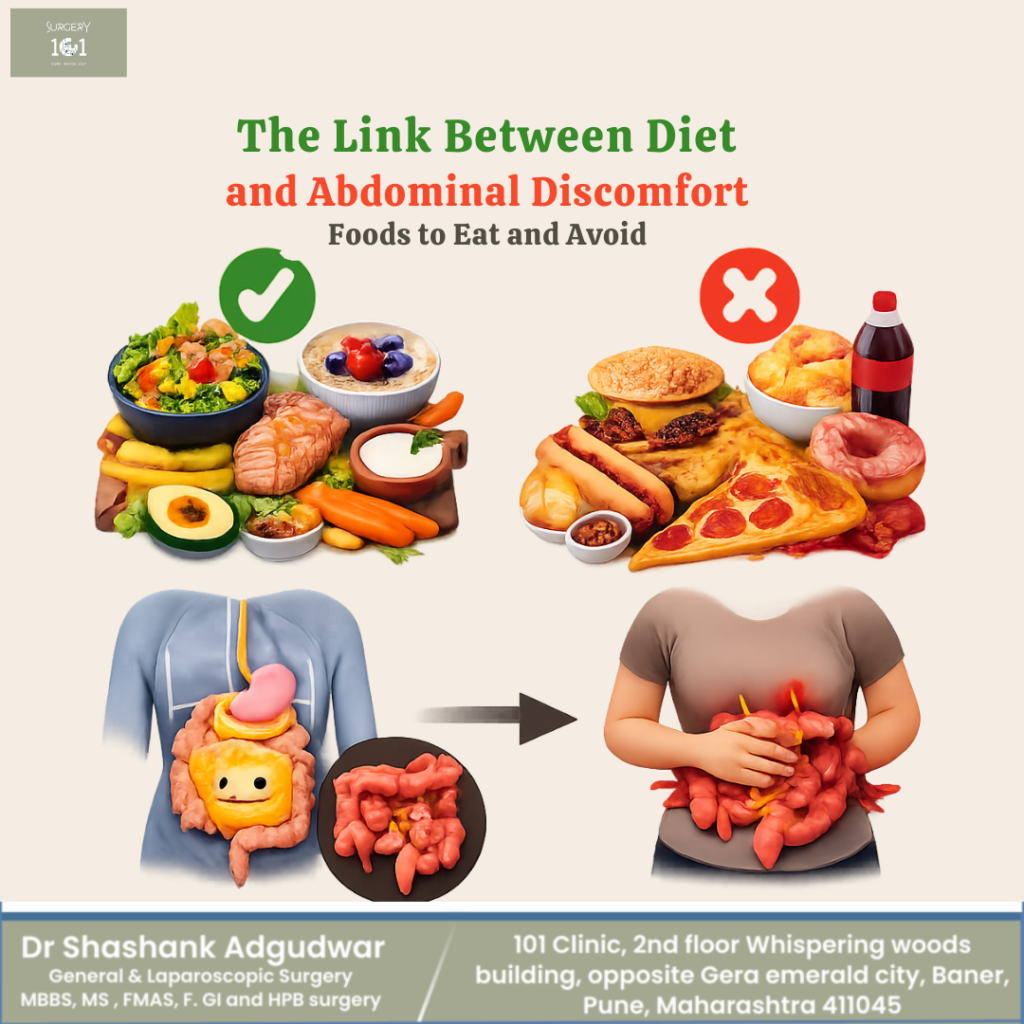
Abdominal discomfort is a common problem that affects people of all ages. From bloating and gas to indigestion and cramps, stomach issues can range from mild irritation to severe pain. While there are multiple causes of abdominal discomfort, diet plays a crucial role in both triggering and alleviating symptoms. Understanding which foods to eat and which to avoid can significantly improve digestive health and overall well-being.
How Diet Impacts Abdominal Health
The digestive system is highly sensitive to the foods we consume. Certain foods can stimulate excessive gas production, cause inflammation, or irritate the stomach lining, leading to discomfort. Conversely, some foods help soothe the digestive tract, improve gut motility, and reduce inflammation. Therefore, managing your diet is one of the most effective strategies for preventing and treating abdominal discomfort.
Foods That Can Trigger Abdominal Discomfort
- Processed Foods: Packaged and processed foods are often high in artificial additives, unhealthy fats, and refined sugars. These ingredients can irritate the digestive system, leading to bloating, gas, and discomfort. Common culprits include ready-to-eat meals, chips, and packaged snacks.
- Fried and Fatty Foods: Foods high in fat take longer to digest, which can slow stomach emptying and trigger abdominal pain. Deep-fried items, fatty meats, and heavy sauces are common triggers.
- Dairy Products: Many people have lactose intolerance, meaning their bodies cannot properly digest lactose found in milk and dairy products. This can cause gas, bloating, and diarrhea.
- Carbonated Beverages: Fizzy drinks contain carbon dioxide, which can accumulate in the stomach and intestines, causing bloating and discomfort.
- Cruciferous Vegetables: While healthy, vegetables like broccoli, cauliflower, cabbage, and Brussels sprouts can produce gas due to their high fiber and complex carbohydrate content.
- Artificial Sweeteners: Sorbitol, mannitol, and xylitol are commonly found in sugar-free products. These can be difficult to digest, leading to bloating and diarrhea in some individuals.
- Spicy Foods: Foods high in spices can irritate the stomach lining, especially in people with sensitive stomachs or conditions like gastritis or acid reflux.
Foods That Promote Digestive Comfort
- Fiber-Rich Foods (in moderation): Soluble fiber, found in oats, apples, and carrots, helps regulate bowel movements and improves gut health. Insoluble fiber, present in whole grains and vegetables, adds bulk to stool and prevents constipation. However, excessive fiber, especially from beans or certain vegetables, can cause gas, so balance is key.
- Lean Proteins: Foods like chicken, fish, and eggs are easier to digest than fatty meats and provide essential nutrients without stressing the digestive system.
- Probiotics: Yogurt with live cultures, kefir, and fermented foods such as sauerkraut help maintain a healthy gut microbiome. A balanced gut microbiome can reduce bloating, gas, and other digestive disturbances.
- Non-Cruciferous Vegetables: Vegetables like zucchini, spinach, carrots, and pumpkin are gentle on the digestive system and provide essential vitamins and minerals.
- Whole Grains: Brown rice, quinoa, and oats provide soluble fiber and support healthy digestion, without the excessive gas associated with some high-fiber foods.
- Hydrating Foods and Fluids: Adequate water intake is essential for digestion. Hydrating foods like watermelon, cucumber, and soups can help prevent constipation and support gut health.
- Herbs and Spices for Soothing Digestion: Ginger, fennel, and peppermint are known for their stomach-soothing properties. They can help relieve bloating, gas, and mild cramps naturally.
Practical Tips for Managing Diet-Related Abdominal Discomfort
- Eat Smaller, Frequent Meals: Large meals can overburden the digestive system. Smaller, more frequent meals allow for easier digestion and reduce the risk of bloating and discomfort.
- Chew Thoroughly: Digestion begins in the mouth. Chewing food well can reduce the workload on your stomach and prevent bloating.
- Keep a Food Diary: Tracking what you eat and when symptoms occur can help identify trigger foods. Everyone’s digestive system is different, so personal observation is crucial.
- Avoid Eating Late at Night: Eating close to bedtime can cause acid reflux and indigestion. Aim to have your last meal at least 2-3 hours before sleeping.
- Limit Carbonated and Caffeinated Drinks: While occasional consumption is fine, excessive intake can lead to gas, acidity, and abdominal discomfort.
- Gradually Introduce High-Fiber Foods: Sudden increases in fiber can cause gas and bloating. Introduce high-fiber foods slowly to allow your digestive system to adjust.
- Seek Professional Guidance: Persistent abdominal discomfort may indicate an underlying medical condition such as irritable bowel syndrome (IBS), gastritis, or food intolerances. Consulting a stomach specialist in Baner can provide a personalized plan and appropriate treatment.
When to Consult a Stomach Specialist
While dietary modifications can help manage mild discomfort, persistent or severe abdominal pain, unexplained weight loss, blood in stools, or vomiting should not be ignored. Dr. Shashank Adgudwar, stomach specialist in Baner can conduct proper investigations, including endoscopy, ultrasound, or stool analysis, to identify the cause and recommend suitable treatment.
Conclusion
Abdominal discomfort is often closely linked to diet. By understanding which foods exacerbate symptoms and which ones support digestive health, you can take proactive steps to improve your gut health and overall quality of life. Incorporating a balanced diet, staying hydrated, and following healthy eating practices are key strategies. However, if discomfort persists, consulting a stomach specialist in Baner ensures that underlying conditions are addressed promptly, allowing you to enjoy better digestive wellness.