
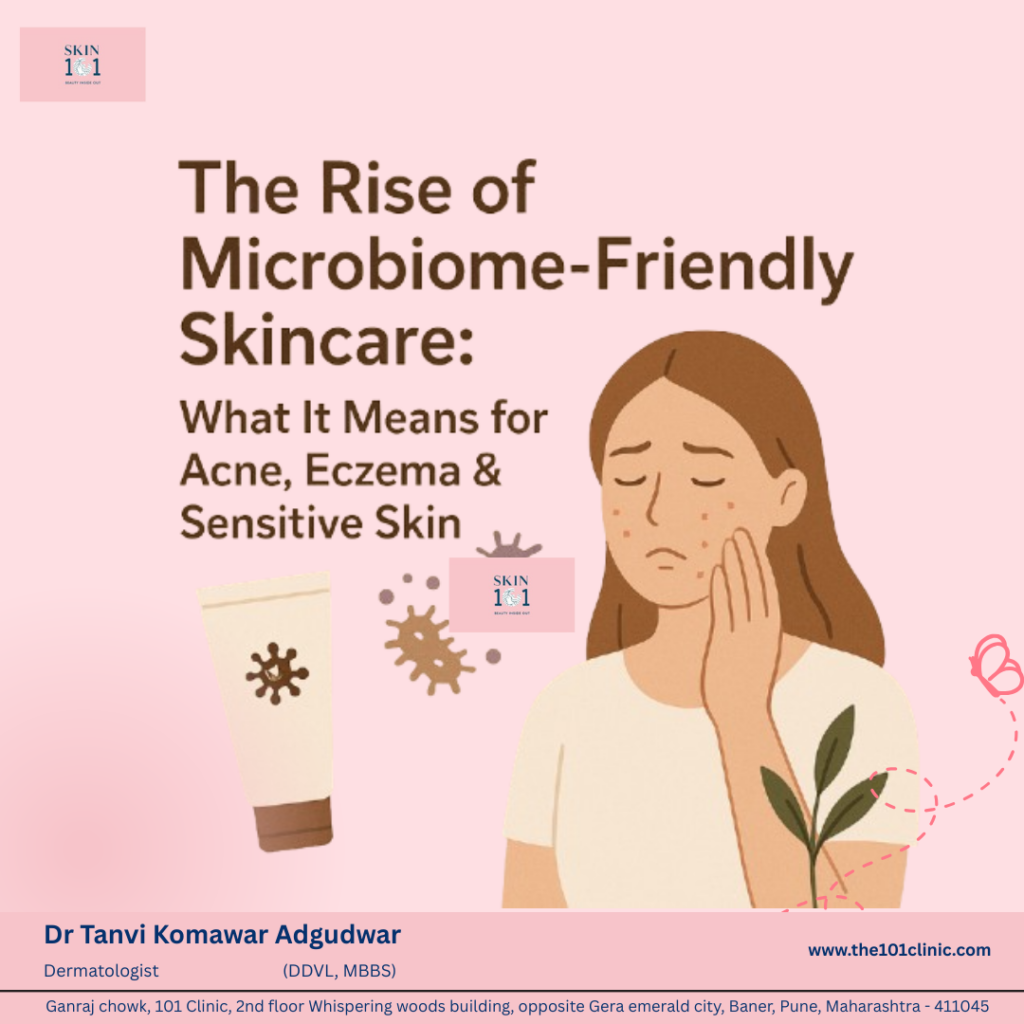
In recent years, skincare has evolved far beyond the simple mantra of “clean skin.” Today, dermatologists are shifting their focus towards nurturing a balanced skin ecosystem. At the heart of this revolution is the skin microbiome—the diverse community of bacteria, fungi, and other microorganisms that live on our skin. Maintaining this delicate balance is crucial, especially for individuals struggling with acne, eczema, or sensitive skin.
Why the Skin Microbiome Matters
The skin microbiome plays a vital role in protecting the skin from harmful pathogens, regulating inflammation, and maintaining a healthy barrier. When this ecosystem is disturbed—through overuse of harsh cleansers, excessive exfoliation, or inappropriate skincare products—skin issues can flare up. Acne-prone individuals may experience more breakouts, eczema sufferers can face intensified itching and dryness, and those with sensitive skin may notice increased redness and irritation.
Dr. Tanvi Komawar Adgudwar, a trusted Dermatologist in Baner, emphasizes that “healthy skin is not just about being clean; it’s about fostering a balanced microbiome that supports the skin’s natural defenses.” This approach has led to the surge in microbiome-friendly skincare products, including prebiotics, probiotics, and postbiotics.
Prebiotics, Probiotics, and Postbiotics: What You Need to Know
Prebiotics are ingredients that feed the good bacteria on your skin, helping them thrive and maintain balance. Common prebiotic ingredients include inulin, fructooligosaccharides, and certain plant extracts.
Probiotics are live microorganisms that can be applied topically to replenish beneficial bacteria. They help calm inflammation, support the skin barrier, and may even reduce acne-causing bacteria.
Postbiotics are the byproducts of probiotic bacteria, such as enzymes, peptides, and organic acids, which strengthen the skin’s defenses and restore balance without introducing live bacteria.
Using skincare products that contain these ingredients can help regulate oil production, reduce inflammation, and improve hydration. This is particularly beneficial for individuals with eczema or sensitive skin, as a balanced microbiome can prevent flare-ups and soothe irritation.
How to Choose Microbiome-Friendly Products
- Avoid Harsh Cleansers: Strong detergents and sulfates can strip the skin of its natural oils and disrupt its microbial balance. Look for gentle, sulfate-free cleansers.
- Check Ingredient Lists: Prebiotics, probiotics, and postbiotics should be clearly listed. Popular ingredients include lactobacillus ferment, bifida ferment lysate, and galactooligosaccharides.
- Limit Over-Exfoliation: While exfoliation helps remove dead skin cells, excessive use can disturb the microbiome and trigger sensitivity. Opt for mild chemical exfoliants or enzyme-based products if necessary.
- Patch Test New Products: Since microbiome-friendly ingredients are generally gentle, they are suitable for most skin types. However, sensitive skin should still test new products before full application.
- Moisturize Strategically: A well-formulated moisturizer containing prebiotics or postbiotics can nurture the skin’s microbiome while improving barrier function.
Lifestyle Habits to Support a Healthy Microbiome
While topical products play a major role, lifestyle habits also significantly impact skin health.
- Balanced Diet: Consuming a diet rich in fiber, fermented foods, and antioxidants can support your internal microbiome, which in turn benefits your skin.
- Avoid Over-Sanitization: Excessive use of antibacterial soaps and hand sanitizers can affect skin microbiota.
- Manage Stress: Stress can trigger skin inflammation and alter microbial balance. Mindful practices like yoga, meditation, or regular exercise can help.
- Adequate Sleep: Sleep is essential for skin regeneration and maintaining a healthy microbial environment.
The Future of Skincare: From Clean to Balanced
The rise of microbiome-friendly skincare represents a paradigm shift in dermatology. Instead of focusing solely on “clean” or “blemish-free” skin, the emphasis is now on fostering a thriving skin ecosystem. For patients dealing with acne, eczema, or sensitivity, this approach offers a gentler, more sustainable solution.
A leading Skin Specialist in Baner, recommends incorporating microbiome-friendly products gradually, observing how the skin responds, and complementing them with lifestyle habits that support overall skin health.
By embracing this new wave of skincare, you can move beyond temporary fixes and work toward long-term skin resilience. Healthy bacteria on your skin aren’t the enemy—they’re your allies in achieving radiant, balanced skin.
With a focus on expert care, At Skin 101, Dr. Tanvi Komawar delivers advanced treatments for healthy, glowing skin.