
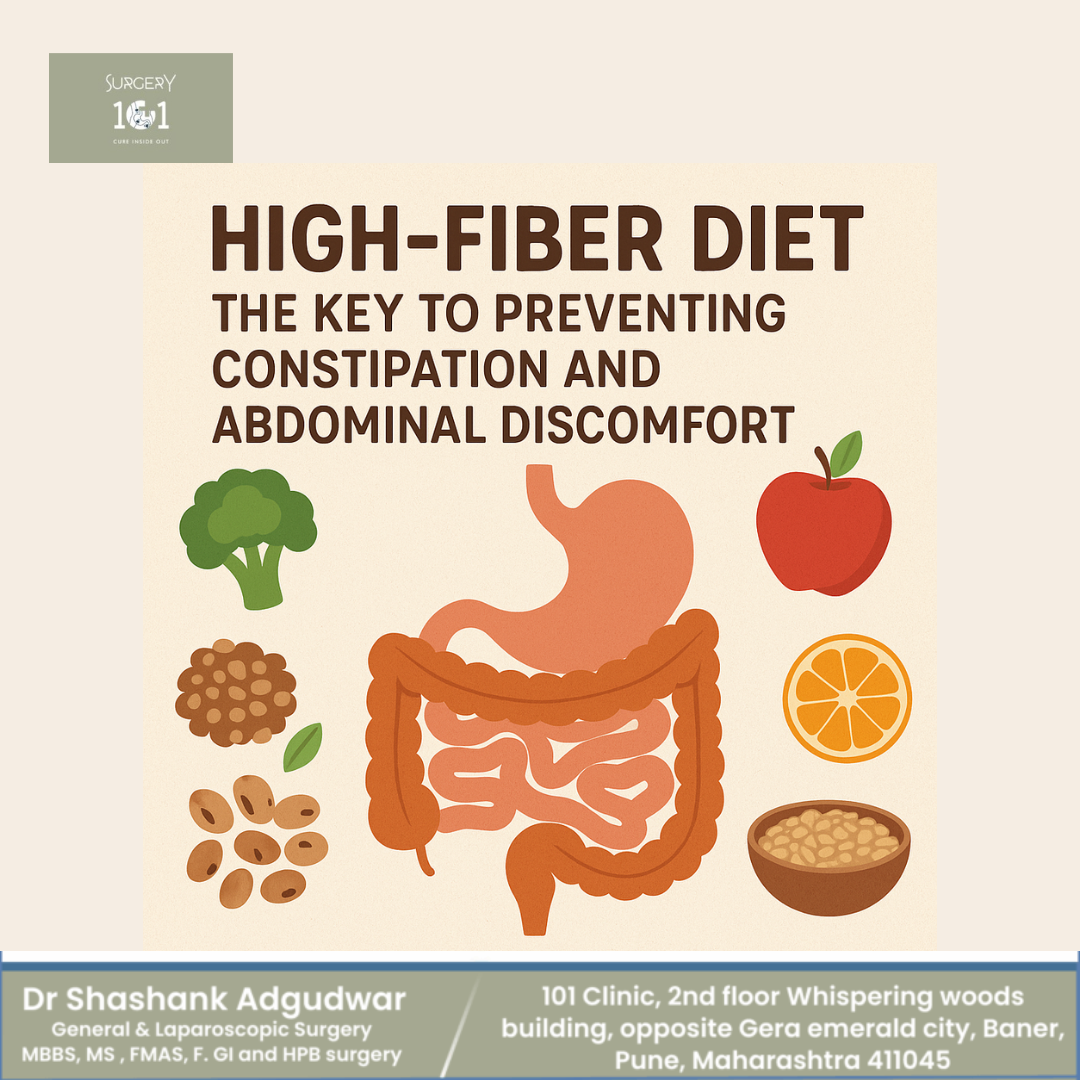
Digestive health plays a vital role in overall well-being, yet many people experience common issues like constipation, bloating, and abdominal discomfort due to poor diet and irregular eating habits. One of the simplest and most effective ways to improve your gut health is by increasing your daily fiber intake. A high-fiber diet not only keeps your digestive system running smoothly but also supports long-term health, from maintaining healthy cholesterol levels to stabilizing blood sugar.
According to Dr. Shashank Adgudwar, a trusted stomach specialist in Baner, adopting a fiber-rich diet can significantly reduce digestive complaints and prevent many gastrointestinal problems before they start.
What Is Dietary Fiber and Why Is It Important?
Dietary fiber is a type of carbohydrate found in plant-based foods that your body cannot fully digest. Instead of breaking down, fiber passes through the digestive system, promoting bowel regularity and helping remove waste efficiently. There are two main types of fiber:
1. Soluble Fiber
Dissolves in water and forms a gel-like substance.
Benefits:
- Helps soften stools
- Regulates blood sugar
- Reduces cholesterol
Foods rich in soluble fiber: Oats, apples, citrus fruits, beans, lentils, chia seeds.
2. Insoluble Fiber
Adds bulk to stool and speeds up digestion.
Benefits:
- Prevents constipation
- Supports regular bowel movements
- Promotes healthy colon function
Foods rich in insoluble fiber: Whole wheat, nuts, leafy vegetables, carrots, kidney beans.
A balanced diet rich in both types is essential for smooth digestion and long-term gut health.
How Fiber Prevents Constipation and Abdominal Discomfort
Constipation is often caused by a lack of fiber, dehydration, and sedentary lifestyle habits. When the body doesn’t get enough fiber, stools become hard and difficult to pass, leading to abdominal pain, bloating, gas, and discomfort.
A high-fiber diet helps in several ways:
✔ Adds Bulk to Stool
Fiber absorbs water and increases stool volume, making it easier for the intestines to move waste smoothly.
✔ Softens Stool Naturally
Especially soluble fiber, which holds water and prevents stools from becoming dry and compact.
✔ Improves Gut Motility
Insoluble fiber acts like a natural scrubber for your intestines, promoting regular bowel movements.
✔ Reduces Gas and Bloating
Although some high-fiber foods may initially cause gas, over time they improve the overall digestive environment, reducing bloating and discomfort.
✔ Supports a Healthy Gut Microbiome
Fiber acts as a prebiotic—food for the good bacteria in your gut. Healthy gut flora helps regulate digestion and reduce inflammation.
For persistent digestive issues, consulting a specialist is important. A stomach specialist in Baner, like Dr. Shashank Adgudwar, can help identify underlying conditions such as IBS, food intolerance, or gastric disorders.
Top High-Fiber Foods to Include in Your Daily Diet
If you’re aiming to increase your fiber intake, here are some excellent food options:
1. Whole Grains
- Oats
- Brown rice
- Quinoa
- Whole wheat roti or bread
These provide both soluble and insoluble fiber to support digestion.
2. Fruits
- Apples
- Pears
- Bananas
- Berries
- Oranges
Eating fruits with the skin maximizes fiber intake.
3. Vegetables
- Broccoli
- Carrots
- Green peas
- Spinach
- Sweet potatoes
Vegetables are rich in nutrients and essential for digestive wellness.
4. Legumes & Pulses
- Lentils (dal)
- Chickpeas
- Kidney beans
- Black beans
These are excellent sources of plant-based protein and fiber.
5. Nuts & Seeds
- Almonds
- Walnuts
- Chia seeds
- Flaxseeds
Just a small handful can significantly boost your fiber intake.
How Much Fiber Do You Need Daily?
Most adults require 25–30 grams of fiber per day, but the average intake is far lower. Increasing fiber gradually helps your body adjust and prevents digestive discomfort as your gut adapts to the change.
Additional Tips to Prevent Constipation Naturally
Along with a fiber-rich diet, healthy lifestyle habits make a big impact on digestive comfort.
✔ Stay Hydrated
Drink 7–8 glasses of water daily. Fiber without water can worsen constipation.
✔ Be Physically Active
Walking, yoga, and light exercises stimulate bowel movements.
✔ Eat on Time
Irregular meals can slow digestion and cause bloating.
✔ Avoid Processed Foods
Packaged snacks, fried foods, and refined flour cause sluggish digestion.
✔ Do Not Ignore the Urge to Pass Stool
Holding bowel movements can lead to constipation and abdominal discomfort.
When Should You See a Doctor?
If constipation becomes chronic or you experience symptoms like:
- Severe abdominal pain
- Blood in stool
- Unexplained weight loss
- Frequent bloating or gas
- Difficulty passing stool for more than a week
It’s important to consult a digestive expert. A stomach specialist in Baner can evaluate your symptoms, provide accurate diagnosis, and create a personalized treatment plan.
Conclusion
A high-fiber diet is one of the easiest ways to maintain smooth digestion, prevent constipation, and reduce abdominal discomfort. By including fruits, vegetables, whole grains, legumes, and nuts in your meals, you can significantly improve your gut health and overall wellness.
If you continue experiencing digestive issues despite lifestyle changes, seeking expert guidance is essential. Dr. Shashank Adgudwar, a leading stomach specialist in Baner, offers comprehensive care to help you overcome digestive problems and achieve long-term relief.