
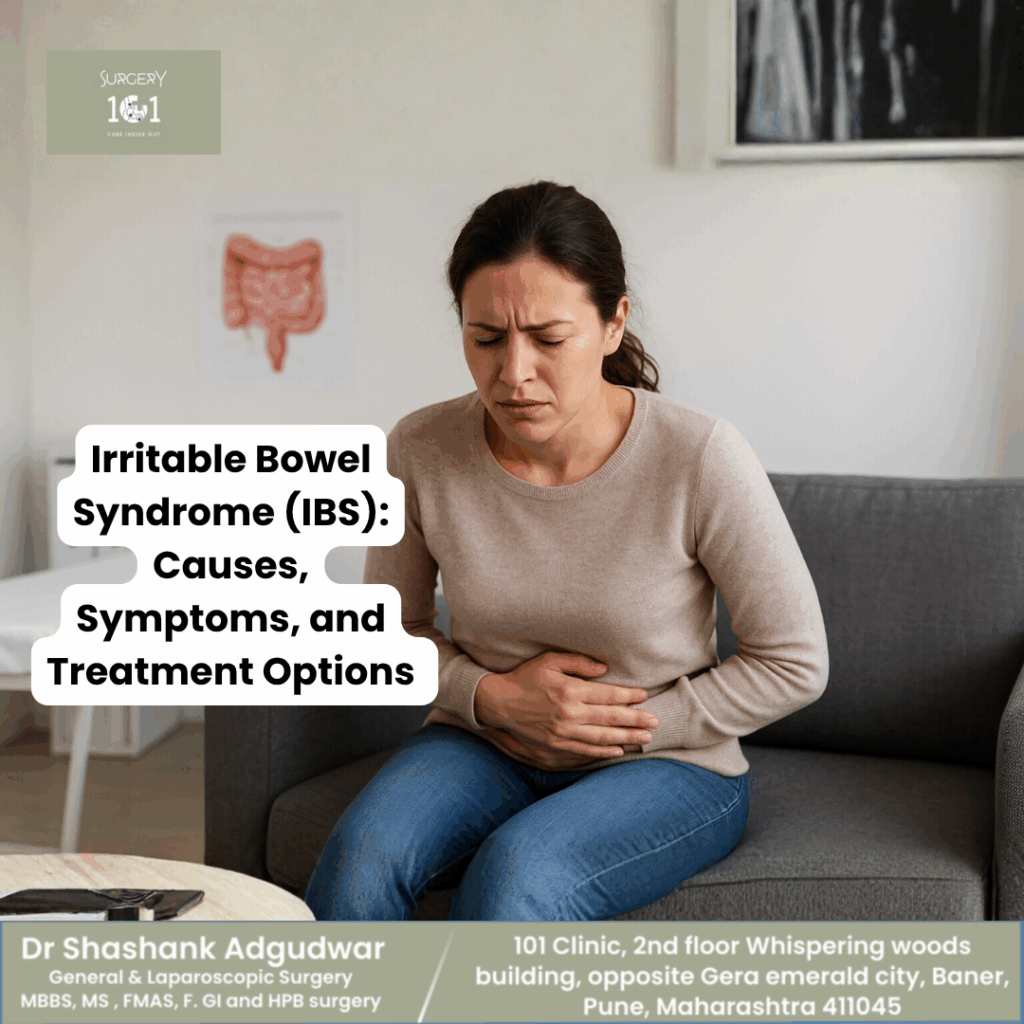
Irritable Bowel Syndrome (IBS) is a common digestive disorder that affects the large intestine and often disrupts daily life. While it is not a life-threatening condition, IBS can cause long-term discomfort, changes in bowel habits, and a negative impact on lifestyle and emotional wellbeing. Understanding the causes, signs, and treatment options can help individuals manage IBS more effectively and live a healthier life.
If you are experiencing persistent digestive discomfort, consulting a Gastroenterologist in Baner can help diagnose and manage IBS at the right time.
What is Irritable Bowel Syndrome (IBS)?
IBS is a functional gastrointestinal disorder, which means the digestive system appears normal on tests, but doesn’t function as it should. People with IBS experience symptoms like abdominal pain, bloating, constipation, diarrhea, or a mix of both. Symptoms vary from person to person and may come and go, depending on food habits, stress levels, gut health, and lifestyle.
Common Causes of IBS
The exact cause of IBS is not fully known, but several factors are believed to trigger or worsen the condition:
✅ 1. Gut-Brain Axis Imbalance
The gut and brain communicate constantly. Stress, anxiety, or emotional disturbances can alter this communication, affecting bowel movements and worsening IBS symptoms.
✅ 2. Sensitivity of the Digestive System
People with IBS may have a more sensitive gut, where normal digestive sensations like gas or movement of food through the intestines cause pain or discomfort.
✅ 3. Changes in Gut Microbiome
The gut contains trillions of good bacteria essential for digestion. An imbalance in this gut microbiota may trigger IBS symptoms.
✅ 4. Food Intolerances or Triggers
Certain foods can trigger IBS symptoms. Common trigger foods include dairy, caffeine, spicy foods, fried foods, artificial sweeteners, alcohol, and high-fat meals.
✅ 5. Infections or Gastrointestinal Conditions
A history of bacterial or viral gastroenteritis, food poisoning, or gut infections can lead to IBS in some people—this is known as Post-Infectious IBS.
Symptoms of IBS
IBS symptoms can differ for each individual, and they often occur in patterns. The most common symptoms include:
- Abdominal pain or cramping, usually relieved after passing stool
- Bloating and excess gas
- Changes in stool frequency or consistency
- Constipation (IBS-C), Diarrhea (IBS-D), or Alternating both (IBS-M)
- Mucus in stool
- A feeling of incomplete bowel movement
Some people may also experience non-digestive symptoms such as fatigue, headaches, disturbed sleep, anxiety, or mood changes.
If these symptoms persist for weeks, it is advisable to visit a Stomach Specialist in Baner to rule out other serious digestive disorders and confirm whether the issue is IBS.
How is IBS Diagnosed?
There is no single test to diagnose IBS. Doctors typically diagnose IBS based on symptoms, medical history, and physical examination. Some tests may be suggested to rule out conditions such as celiac disease, lactose intolerance, inflammatory bowel disease (IBD), or infections.
Treatment Options for IBS
While IBS cannot be completely cured, it can be effectively managed with lifestyle changes, diet modifications, and appropriate medical treatment.
🥗 1. Dietary Modifications
- Follow a high-fiber diet for constipation-dominant IBS.
- Reduce intake of gas-forming foods such as beans, cabbage, and carbonated drinks.
- Low FODMAP Diet is often recommended to reduce IBS triggers.
- Identify and avoid personal trigger foods.
💧 2. Lifestyle & Stress Management
Stress directly impacts gut health, so stress-reduction techniques are beneficial.
Include activities such as yoga, deep breathing, meditation, and regular exercise.
💊 3. Medications
Depending on the type of IBS, a gastroenterologist may prescribe:
- Antispasmodics for abdominal pain
- Laxatives for constipation
- Anti-diarrheal medication
- Probiotics to balance gut bacteria
🌿 4. Probiotics & Gut Health Supplements
Probiotics help improve digestion and gut balance. However, the right type and dosage should be guided by a doctor.
🧠 5. Psychological Support
Cognitive Behavioral Therapy (CBT), mindfulness, or counseling may help patients who have stress-related or emotional IBS triggers.
When to Visit a Doctor
Seek medical help if you experience:
- Sudden weight loss
- Rectal bleeding
- Persistent or severe pain
- Symptoms affecting daily routine or mental health
Early consultation ensures correct diagnosis and prevents complications.
Final Thoughts
IBS is a long-term condition, but with the right guidance, lifestyle changes, and timely medical support, it can be managed effectively. If recurring stomach issues are affecting your life, don’t ignore them—professional evaluation can help you regain comfort and confidence.
For expert diagnosis and personalised care for IBS and digestive disorders, consult Dr. Shashank Adgudwar, a trusted Gastroenterologist in Baner, known for comprehensive and patient-focused stomach care.