
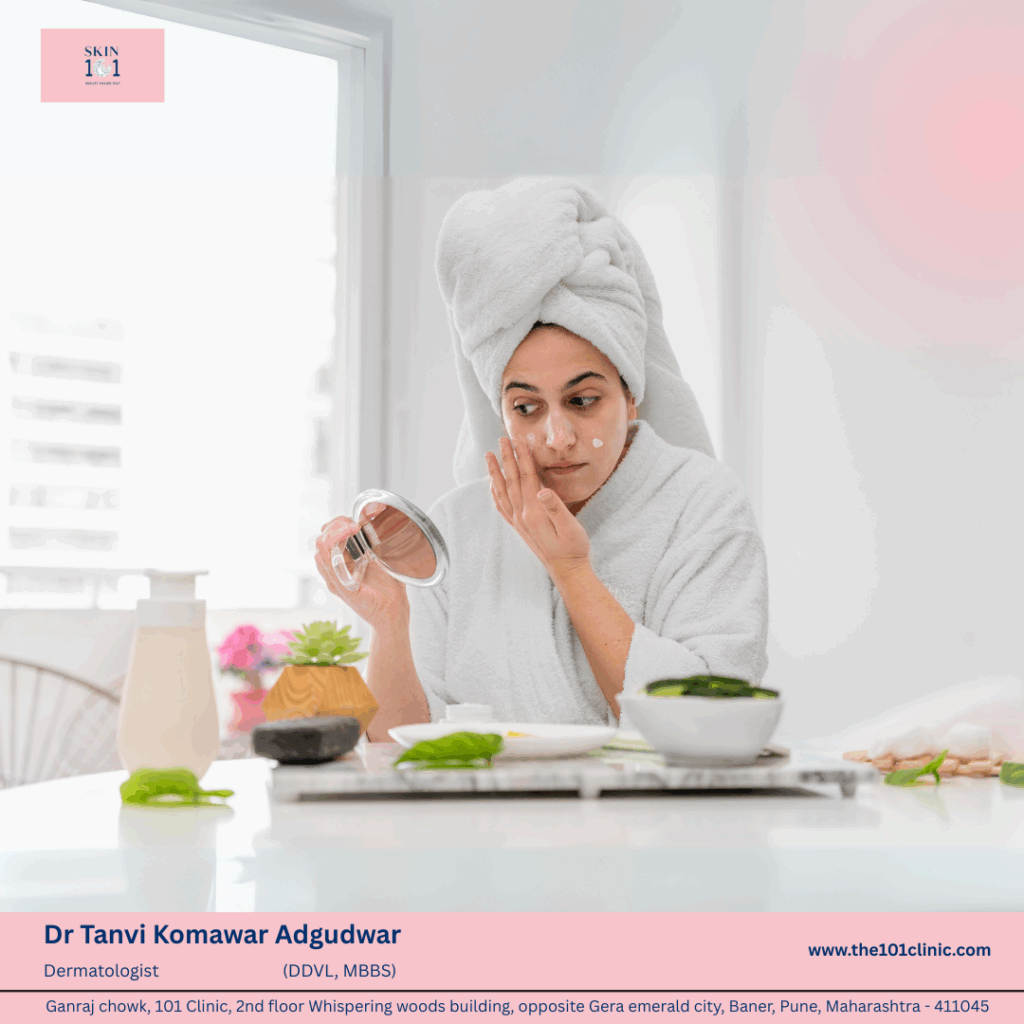
In recent years, skincare routine has shifted toward a more holistic approach, with many people turning to natural ingredients to support healthy, glowing skin. Nature offers a wide variety of solutions—some beneficial and soothing, while others may cause irritation or long-term damage. Knowing what to include and what to avoid in your daily routine can make all the difference in achieving healthy, radiant skin.
As a Skin Specialist in Baner, Dr. Tanvi Komawar Adgudwar often educates patients about choosing safe, effective, and evidence-backed natural remedies. Here’s a closer look at the natural ingredients that can enhance your skincare, as well as those you should think twice about.
Natural Ingredients to Include in Your Skincare
1. Aloe Vera
Aloe vera is one of the most widely recommended natural remedies for skincare. Its soothing, cooling, and hydrating properties make it perfect for calming inflamed or irritated skin. Rich in antioxidants and vitamins A, C, and E, aloe vera can help heal sunburn, reduce redness, and boost hydration without clogging pores.
2. Green Tea Extract
Green tea is loaded with polyphenols, particularly catechins, which are known for their antioxidant and anti-inflammatory benefits. Regular use of skincare products containing green tea extract can help fight free radicals, delay signs of aging, and reduce acne-related inflammation.
3. Honey
Nature’s sweetener isn’t just great for your tea—it’s also a powerful skincare ingredient. Raw honey has natural antibacterial properties that help manage acne, along with humectant properties that lock in moisture. It can also be used as a gentle exfoliator when mixed with sugar.
4. Turmeric
Turmeric is a powerhouse ingredient thanks to its active compound, curcumin. It has strong anti-inflammatory and antioxidant benefits, making it helpful for reducing acne, evening out skin tone, and giving your skin a natural glow. However, it should be used carefully to avoid staining the skin.
5. Coconut Oil (in moderation)
Coconut oil is rich in fatty acids and is often praised for its ability to deeply moisturize dry skin. It can be particularly helpful for people with eczema or flaky skin. However, because it’s comedogenic (pore-clogging), those with oily or acne-prone skin should use it sparingly.
6. Rose Water
Rose water is a gentle toner with hydrating and anti-inflammatory properties. It helps soothe irritated skin, reduce redness, and maintain the skin’s pH balance. Plus, it leaves a refreshing fragrance without the harmful effects of artificial perfumes.
Natural Ingredients You Should Avoid
While some natural remedies can work wonders, not all “natural” ingredients are skin-friendly. Here are some to use with caution:
1. Lemon Juice
Lemon juice is often touted as a natural brightening solution, but it’s highly acidic and can severely irritate your skin. It may cause redness, dryness, and even chemical burns if applied directly. Prolonged use can also increase your skin’s sensitivity to sunlight, leading to hyperpigmentation.
2. Baking Soda
Though commonly used in DIY scrubs, baking soda disrupts the skin’s natural pH balance. Over time, this can weaken your skin’s barrier, leading to dryness, irritation, and increased sensitivity.
3. Essential Oils (undiluted)
While some essential oils like lavender or tea tree have skincare benefits, they should never be applied directly to the skin without dilution. Undiluted oils can cause burns, allergic reactions, and long-term sensitivity. Always mix with a carrier oil or use products that contain safe concentrations.
4. Toothpaste for Pimples
A popular home remedy is to dab toothpaste on pimples. While it may temporarily reduce inflammation, toothpaste contains harsh chemicals like fluoride and baking soda, which can irritate the skin and worsen breakouts over time.
5. Apple Cider Vinegar (undiluted)
Apple cider vinegar is another ingredient promoted for acne and brightening. However, its acidity can damage the skin’s protective barrier and cause chemical burns. If used at all, it must be diluted significantly and tested on a small area first.
Tips for Choosing Natural Ingredients Safely
- Patch Test First: Always test a new ingredient on a small area of your skin before applying it to your face.
- Look for Evidence-Backed Ingredients: Natural doesn’t always mean safe or effective. Check for scientific backing before adding anything to your skincare routine.
- Consult a Skin Specialist: Every skin type is unique, and what works for one person may harm another. Consulting a Skin Specialist in Pune can help you avoid mistakes and choose the right products.
- Balance with Medical Treatments: Natural remedies can complement professional skincare, but they shouldn’t replace dermatologist-recommended treatments for serious conditions.
Final Thoughts
Skincare is deeply personal, and finding the right ingredients takes time and guidance. Aloe vera, green tea, honey, and turmeric can be wonderful allies for healthy skin, while harsh acids like lemon juice and baking soda are best avoided. Striking the right balance is key.
Dr. Tanvi Komawar Adgudwar, a trusted Skin Specialist in Baner, emphasizes that natural skincare works best when used wisely, with an understanding of your skin’s unique needs. Before trying new remedies, always seek professional advice to ensure your skincare routine enhances, rather than harms, your natural glow.
At Skin 101 Clinic, Dr. Tanvi Komawar offers personalized, expert skincare with the latest advanced treatments.