
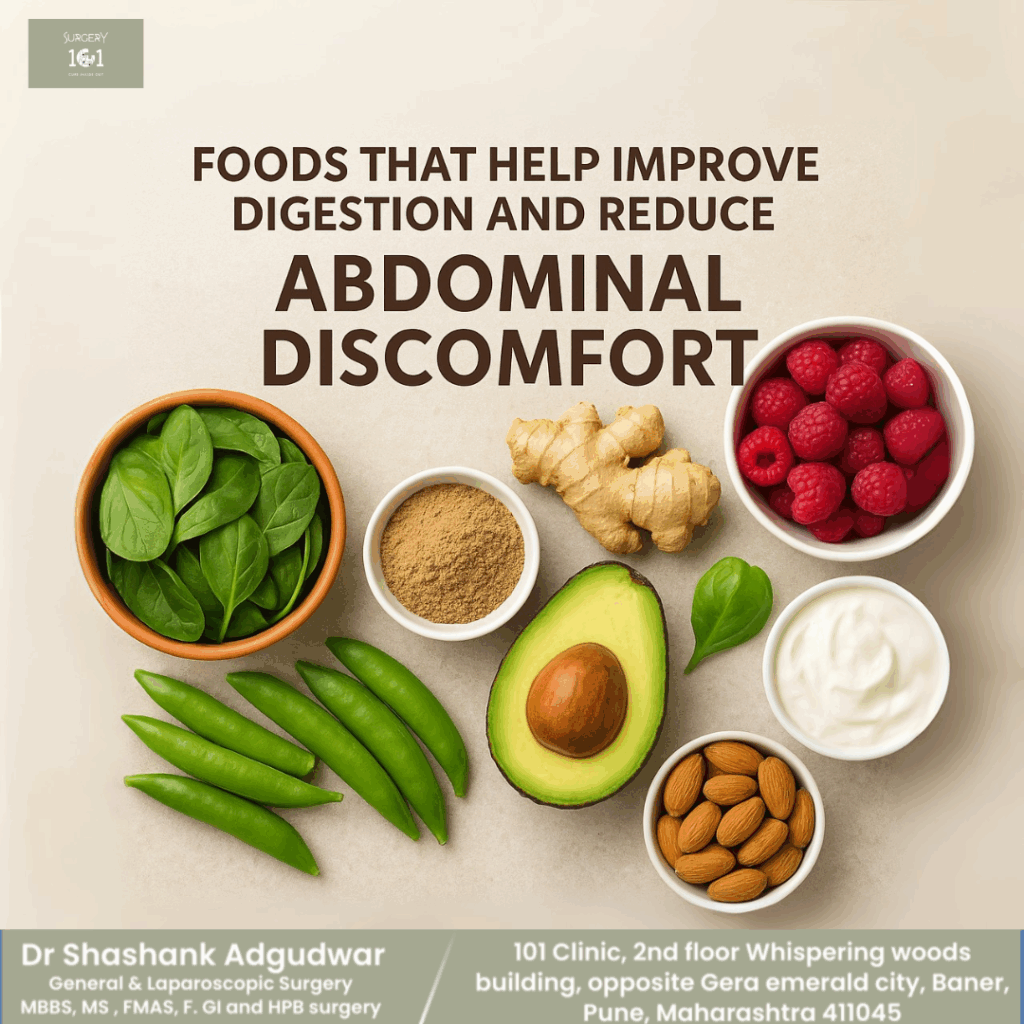
Digestive problems such as bloating, acidity, gas, constipation, and abdominal discomfort have become increasingly common due to unhealthy eating habits, stress, lack of physical activity, and inadequate hydration. While medications can provide temporary relief, dietary changes are one of the most effective long-term solutions for improving gut health. Including natural, fiber-rich, and probiotic foods that help improve digestion in your daily meals can significantly boost digestion and prevent recurring digestive issues.
One of the leading experts in gastrointestinal health, Dr Shashank Adgudwar, often highlights the importance of adopting a gut-friendly diet not only for digestive comfort but also for overall immunity and disease prevention.
1. Yogurt and Probiotic Foods
Probiotics are beneficial bacteria that support digestion and improve the absorption of nutrients. Yogurt, kefir, buttermilk, and fermented foods like idli, dosa batter, sauerkraut, and homemade pickles are excellent sources of probiotics. Including at least one probiotic-rich food daily can reduce bloating, gas, and indigestion. They enhance intestinal flora and keep harmful bacteria in check.
2. High-Fiber Fruits like Papaya, Banana, and Apple
Fiber is essential for regulating bowel movements and preventing constipation. Papaya contains an enzyme called papain which helps in breaking down proteins, making it easier for the stomach to digest heavy meals. Banana is rich in pectin and soothes the stomach lining. Apples, especially with the peel, provide soluble fiber which keeps digestion smooth and steady.
3. Ginger – A Natural Digestive Healer
Ginger is a powerful anti-inflammatory root that stimulates saliva, bile, and gastric enzymes, aiding digestion. It relieves nausea, stomach cramps, and bloating. A cup of ginger tea or adding grated ginger to meals or salads can significantly improve digestive efficiency. It is especially useful after heavy or oily meals.
4. Whole Grains and Millets
Instead of refined flour and white rice, choose whole grains like oats, brown rice, jowar, bajra, and ragi. They are rich in fiber and promote regular bowel movements. They also prevent spikes in blood sugar levels, which can indirectly affect digestion by reducing inflammation in the body.
5. Leafy Greens and Vegetables
Spinach, methi, kale, bottle gourd, cucumber, and carrots are high in fiber, water, vitamins, and antioxidants. These vegetables support the liver and colon in detoxification while preventing constipation. Lightly steaming or sautéing them makes them easier to digest.
6. Fennel Seeds and Cumin
These traditional Indian digestive remedies have stood the test of time. Fennel (saunf) has carminative properties that reduce gas and bloating. Cumin (jeera) water improves digestion by stimulating pancreatic enzymes. Drinking jeera or saunf water after meals is a simple and effective way to maintain a healthy digestive system.
7. Lemon and Warm Water
Starting your morning with a glass of warm water and lemon juice helps detoxify the liver, stimulates digestion, and prevents constipation. Lemon contains citric acid, which improves acid levels in the stomach, making digestion more effective.
8. Nuts and Seeds
Almonds, chia seeds, and flaxseeds are good sources of omega-3 fatty acids and fiber. They reduce inflammation in the gut and support bowel health. However, they should be consumed in moderation and preferably soaked overnight to make them easier to digest.
9. Herbal Teas – Peppermint & Chamomile
Peppermint relaxes the intestinal muscles and relieves gas and stomach cramps. Chamomile has anti-inflammatory and soothing properties that reduce acidity and irritation in the gastrointestinal tract. Replacing caffeinated tea or coffee with these herbal teas can make a noticeable difference in digestion.
Lifestyle Tips for Better Digestion
- Eat slowly and chew food properly to aid mechanical digestion.
- Avoid overeating, especially fried and processed foods.
- Stay hydrated – Drink at least 2-3 liters of water daily.
- Walk for 10-15 minutes after meals to stimulate digestion.
- Include physical activity regularly to improve gut movement.
When to Seek Medical Advice
If you frequently experience severe abdominal discomfort, unexplained weight loss, persistent acidity, or blood in stools, it could be a sign of an underlying condition. In such cases, it is essential to consult a specialist promptly. Timely diagnosis and treatment can prevent serious complications such as gastrointestinal infections, ulcers, or even abdominal cancers.
Advanced facilities for Abdominal Cancers Treatment in Baner are now available with expert medical care, ensuring better outcomes through early intervention. Never ignore persistent digestive issues — your gut health is a reflection of your overall well-being.
By incorporating these gut-friendly foods and simple lifestyle changes, you can enjoy better digestion, more energy, and improved immunity. Remember, a healthy digestive system is the foundation of a healthy life!