
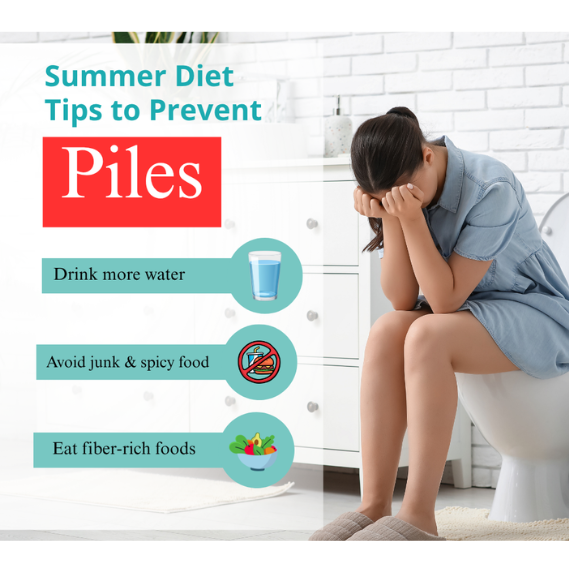
Piles, also known as hemorrhoids, are a common yet often ignored condition that can significantly impact daily life. During the summer season, the risk of developing piles increases due to dehydration and poor dietary habits. A simple visual reminder like drinking enough water, as highlighted in the image, reflects one of the most important preventive measures.
This blog explores how the right summer diet and lifestyle choices can help prevent piles and when to seek expert care.
Why Piles Are More Common in Summer
Seasonal changes have a direct effect on digestive health. In summer, excessive heat leads to fluid loss through sweating, which can result in dehydration. When the body lacks adequate hydration, stool becomes hard and difficult to pass, increasing strain during bowel movements.
This strain puts pressure on rectal veins, leading to swelling and eventually piles. Early symptoms should not be ignored, and consulting a piles specialist in Baner can help prevent the condition from worsening.
Importance of Diet in Preventing Piles
Diet plays a critical role in maintaining a healthy digestive system. A well-balanced summer diet ensures smooth bowel movements and reduces the chances of constipation, which is the primary cause of piles.
Focusing on hydration, fiber intake, and easily digestible foods can significantly lower the risk.
Best Summer Diet Tips to Prevent Piles
1. Prioritize Hydration
Staying hydrated is the foundation of digestive health. Water helps soften stool and supports smooth bowel movements, reducing strain.
In addition to water, include natural fluids such as coconut water, fresh juices, and buttermilk. These not only hydrate the body but also replenish essential electrolytes lost in summer.
2. Increase Fiber-Rich Foods
Fiber adds bulk to stool and promotes regular bowel movements. A diet rich in fiber reduces constipation and supports overall gut health.
Summer-friendly high-fiber foods include fruits like watermelon, papaya, and oranges, along with vegetables such as cucumber and leafy greens.
3. Avoid Trigger Foods
Certain foods can irritate the digestive system and worsen symptoms associated with piles.
It is advisable to limit spicy, oily, and processed foods, as they can lead to inflammation and discomfort. Reducing caffeine and alcohol intake is also beneficial during hot weather.
4. Maintain Regular Eating Habits
Irregular meal timings can disrupt digestion and lead to bowel issues. Eating at consistent intervals helps regulate metabolism and supports healthy digestion.
Opt for lighter meals throughout the day instead of heavy portions, especially during peak summer heat.
5. Include Cooling and Digestive Foods
Cooling foods help maintain internal balance and improve digestion. Yogurt, mint, and cucumber-based dishes are excellent additions to a summer diet.
These foods not only aid digestion but also help prevent heat-related digestive problems that may contribute to piles.
When to Seek Medical Advice
While dietary changes can help prevent piles, persistent symptoms require medical attention. Warning signs include bleeding during bowel movements, pain, itching, or swelling.
Consulting a qualified piles specialist in Baner ensures timely diagnosis and access to advanced treatment options, including minimally invasive procedures.
Preventing piles during summer largely depends on maintaining proper hydration and following a balanced diet. Small lifestyle changes, such as increasing fluid intake and consuming fiber-rich foods, can make a significant difference.
The simple message reflected in the image—drink more water—is a powerful reminder of how basic habits can protect your health. For those experiencing symptoms, expert guidance from Dr. Shashank Adgudwar in Baner can help ensure safe and effective treatment.