
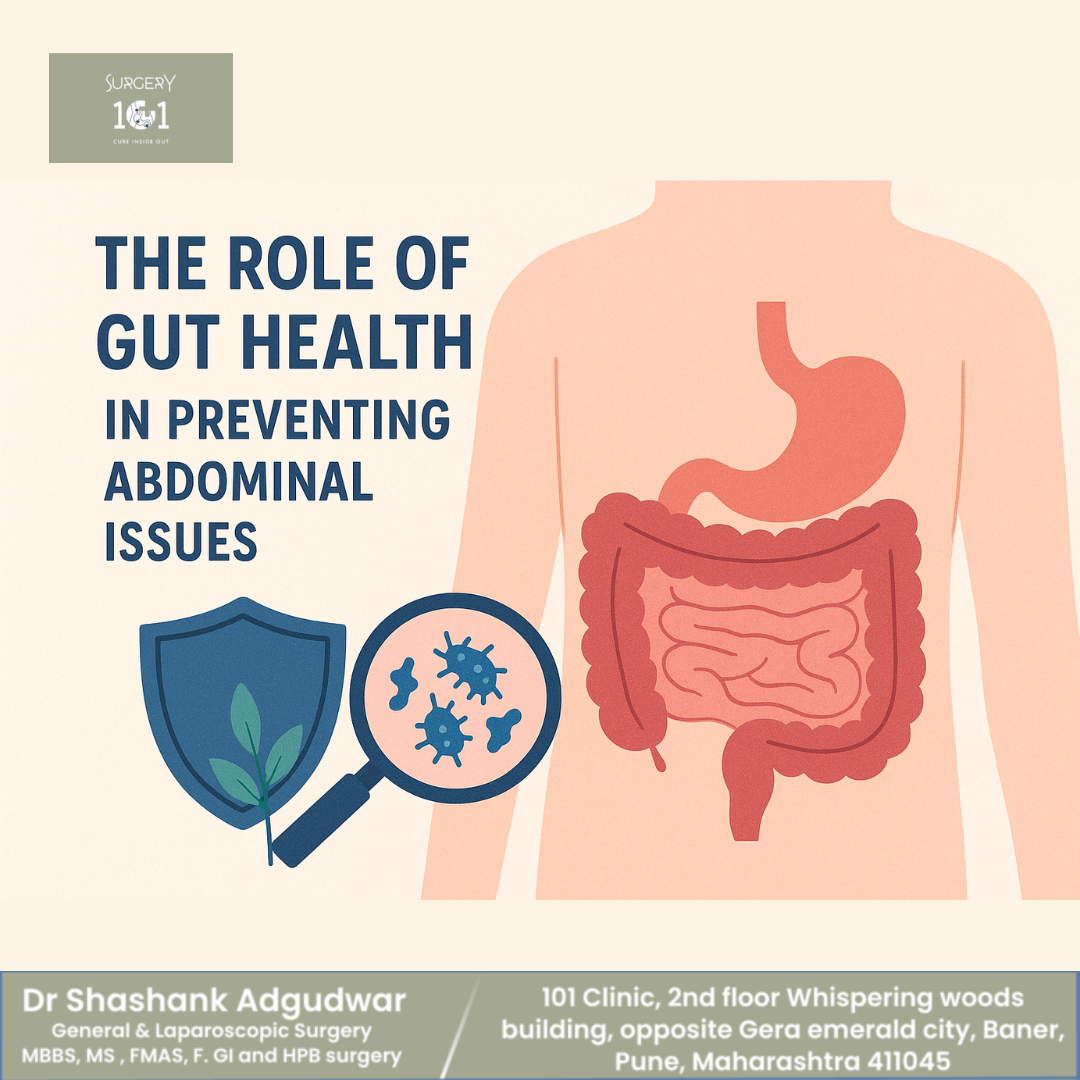
A strong and balanced gut is the foundation of overall wellness. When your digestive system functions properly, it not only helps in nutrient absorption but also protects you from common stomach-related discomforts. According to Dr Shashank Adgudwar, maintaining a healthy gut can significantly reduce the chances of digestive discomfort, inflammation, and long-term complications.
Understanding the Importance of Gut Health
Your gut health plays a crucial role in keeping your body active, energetic, and disease-free. The gut is home to trillions of bacteria that support digestion, immunity, and metabolism. When your gut health is balanced, it strengthens the intestinal lining and reduces the risk of infections and inflammation. An imbalance in gut bacteria, known as dysbiosis, can lead to bloating, constipation, acidity, and chronic stomach pain.
How Poor Gut Function Leads to Abdominal Issues
Most abdominal issues begin with irregular digestion. Conditions like indigestion, gastritis, constipation, and irritable bowel syndrome often stem from harmful bacterial growth or unhealthy lifestyle choices. When abdominal issues become frequent, they may impact your quality of life, eating habits, and mental peace. Prevention starts with strengthening the gut and avoiding foods or habits that disturb the digestive balance.
The Role of a Strong Digestive System
A healthy digestive system breaks down food efficiently and makes nutrients available to every cell in the body. When your digestion slows down due to unhealthy eating or stress, it results in discomfort, gas, and irregular bowel movements. Supporting your digestive system through mindful eating, hydration, and active living ensures smoother digestion and prevents long-term stomach problems.
How a Healthy Diet Supports Gut Balance
What you eat directly shapes your gut bacteria. A healthy diet filled with fiber, fruits, vegetables, and whole grains fuels good bacteria and eliminates toxins. On the other hand, processed foods, oily snacks, and excessive sugar damage gut flora over time. By consistently following a healthy diet, you reduce inflammation, promote bowel regularity, and limit the chances of stomach cramps or infections.
Power of Probiotics in Digestive Well-Being
One of the simplest ways to improve digestion is to incorporate probiotics in your daily routine. These live microorganisms help restore healthy bacteria in your digestive tract and improve stool movement. You can find probiotics in yogurt, fermented foods, and high-quality supplements. When used consistently, they help reduce gas, acidity, and bloating.
Lifestyle Tips to Prevent Stomach Problems
Preventing gut-related complications is easier than treating them later. Here are smart and practical lifestyle tips to maintain digestive harmony:
- Stay hydrated: Water supports digestion and absorbs nutrients properly.
- Eat on time: Skipping meals or overeating can strain digestion.
- Manage stress: Anxiety and lack of sleep can disturb gut bacteria.
- Limit alcohol and smoking: These habits weaken the digestive lining.
- Exercise regularly: Physical movement improves bowel activity.
Signs You Should Not Ignore
Although home remedies and diet changes help in most cases, persistent symptoms need medical attention. Watch for warning signs such as:
- Long-term bloating
- Sudden abdominal cramps
- Blood in stool
- Chronic constipation or diarrhea
- Unexplained weight loss
These can indicate deeper issues that require expert guidance. Ignoring early symptoms can lead to serious complications over time.
Importance of Early Medical Consultation
Self-medication or delaying treatment can worsen stomach-related conditions. Consulting a specialist at the right time ensures accurate diagnosis and faster recovery. With proper evaluation, treatment becomes more effective and prevents future recurrences.
Strengthening Gut Health for Long-Term Wellness
Your stomach does more than digest food—it influences immunity, mental clarity, and metabolism. When your gut is balanced, your body functions better from the inside out. Building daily habits that improve digestion will reward you with higher energy, better mood, and improved disease resistance.
By choosing mindful nutrition, staying active, and listening to your body, you can avoid years of digestive discomfort. A proactive approach ensures a healthier tomorrow without unnecessary complications.
Final Thoughts
Your digestive wellness is in your hands. When supported with smart choices and timely guidance, the gut becomes your strongest defense against illness. Take small steps daily and make mindful adjustments for long-term health. With the right care and awareness, abdominal discomfort can be prevented rather than endured.